HOW TO CHOOSE YOUR FIRST HORSE? CRITERIA, BREEDS AND EXPERT ADVICE
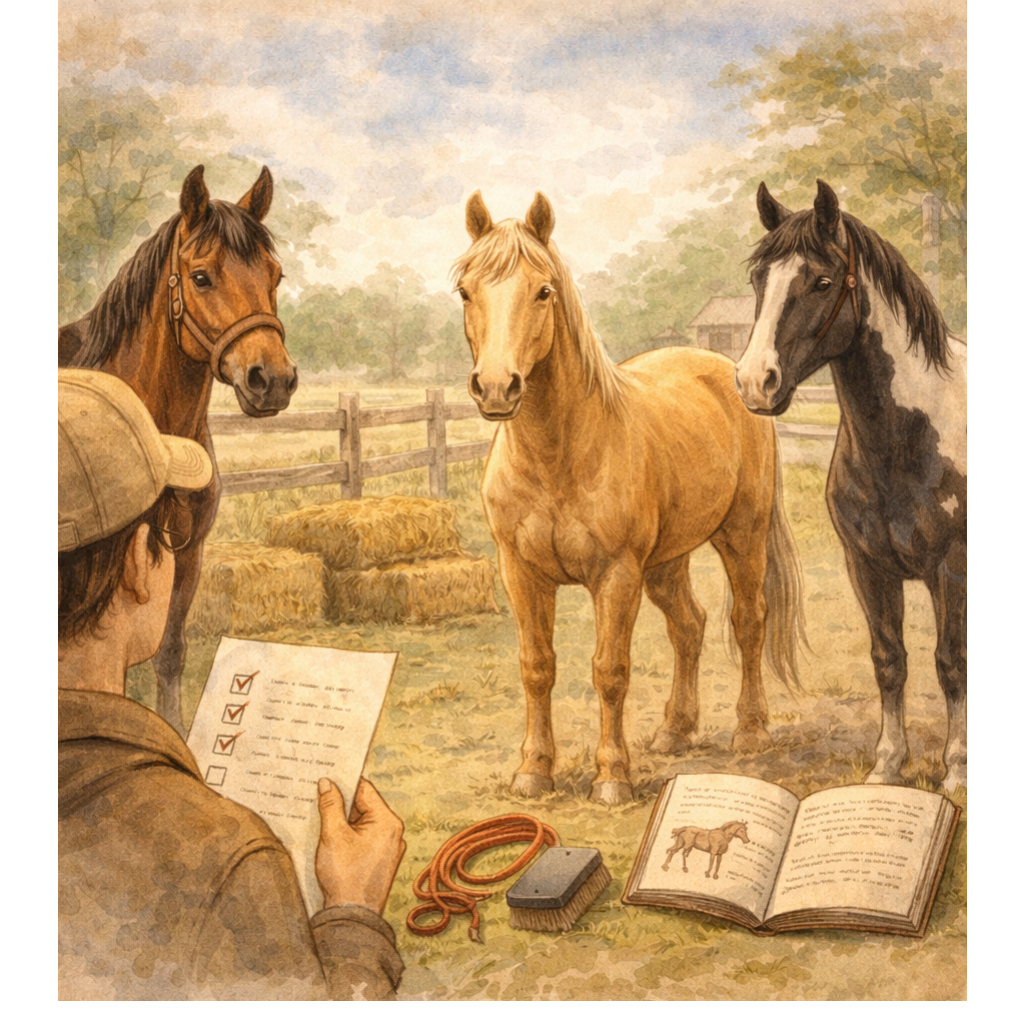
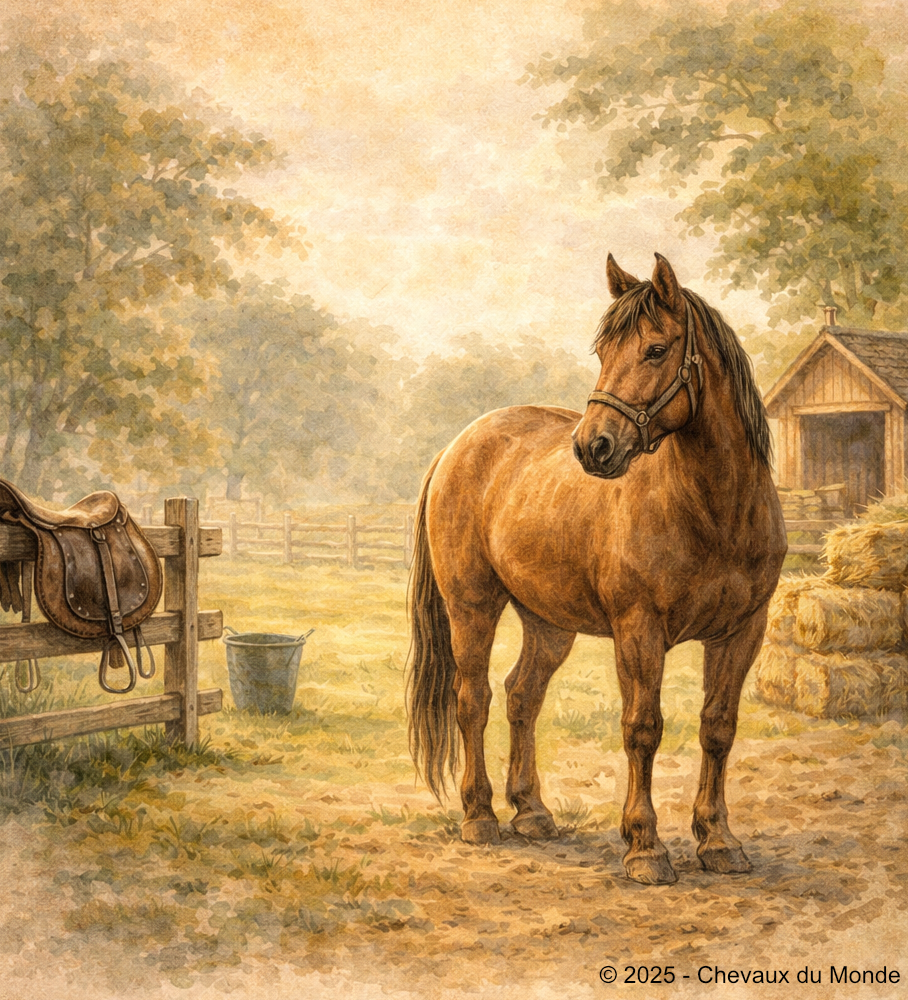
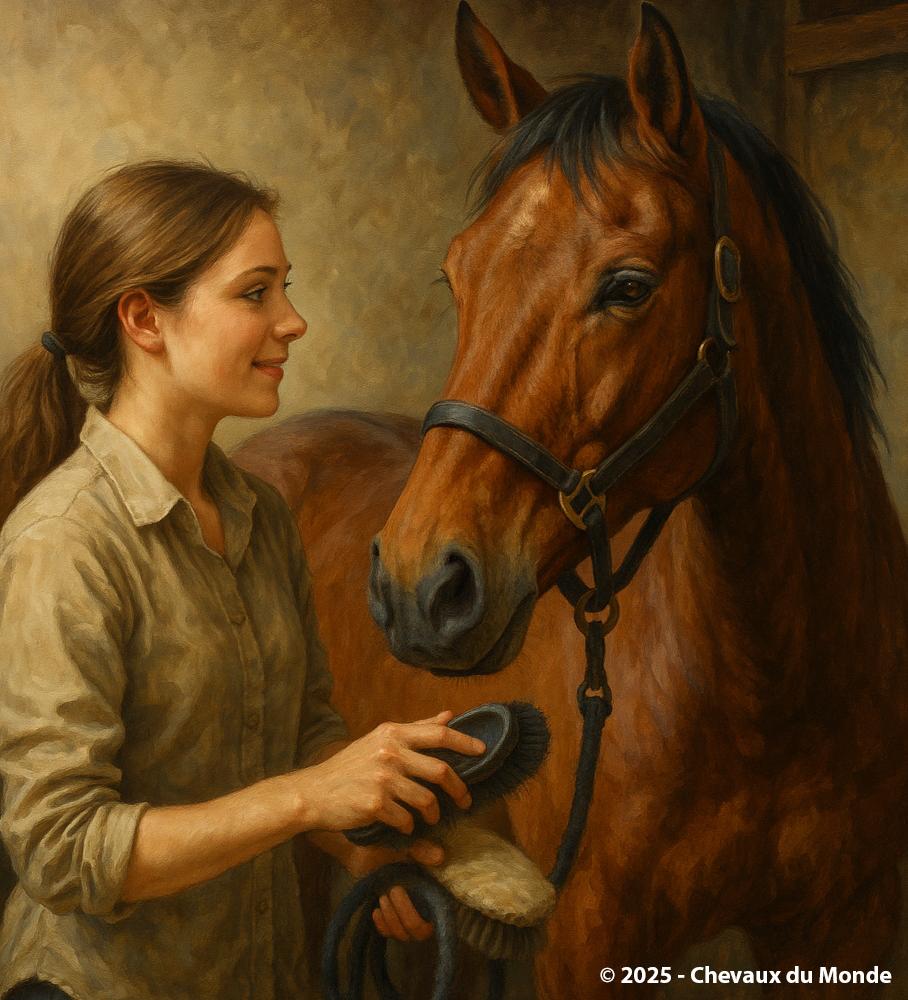
Observing different horses to assess behavior, conformation, and suitability before a first purchase
Buying your first horse is one of the most significant decisions an equestrian enthusiast can make. It is also one of the riskiest if taken on emotion alone, without method or perspective. A poor choice can put the rider in danger, hold back their progress and lead to a painful separation for both parties. This guide gives you all the tools to choose the right horse, at the right time, for the right reasons.
Why the Choice of Your First Horse Matters So Much
Your first horse is not simply a pet or a sporting tool. It is a trusted partner who will shape your relationship with riding for years to come. A horse that is too young, too nervous or too powerful for your current level will not teach you to ride: it will teach you to survive. The right horse, on the other hand, will build your confidence, correct your mistakes with patience and help you progress naturally.
The golden rule in the equestrian world is simple: your first horse should be the teacher, not the student.
Step 1: Honestly Assess Your Own Level
Before looking for a horse, you need to be honest with yourself. Many buyers overestimate their level, or buy with the rider they hope to be in two years in mind rather than the rider they are today.
The Questions to Ask Yourself
How long have you been riding? A rider who has been taking group lessons for less than three years generally does not yet have the foundations needed to manage a horse in ownership without regular professional support.
Have you ridden a variety of horses? Always riding the same school horse does not prepare you for the variety of characters and sensations you will encounter in ownership.
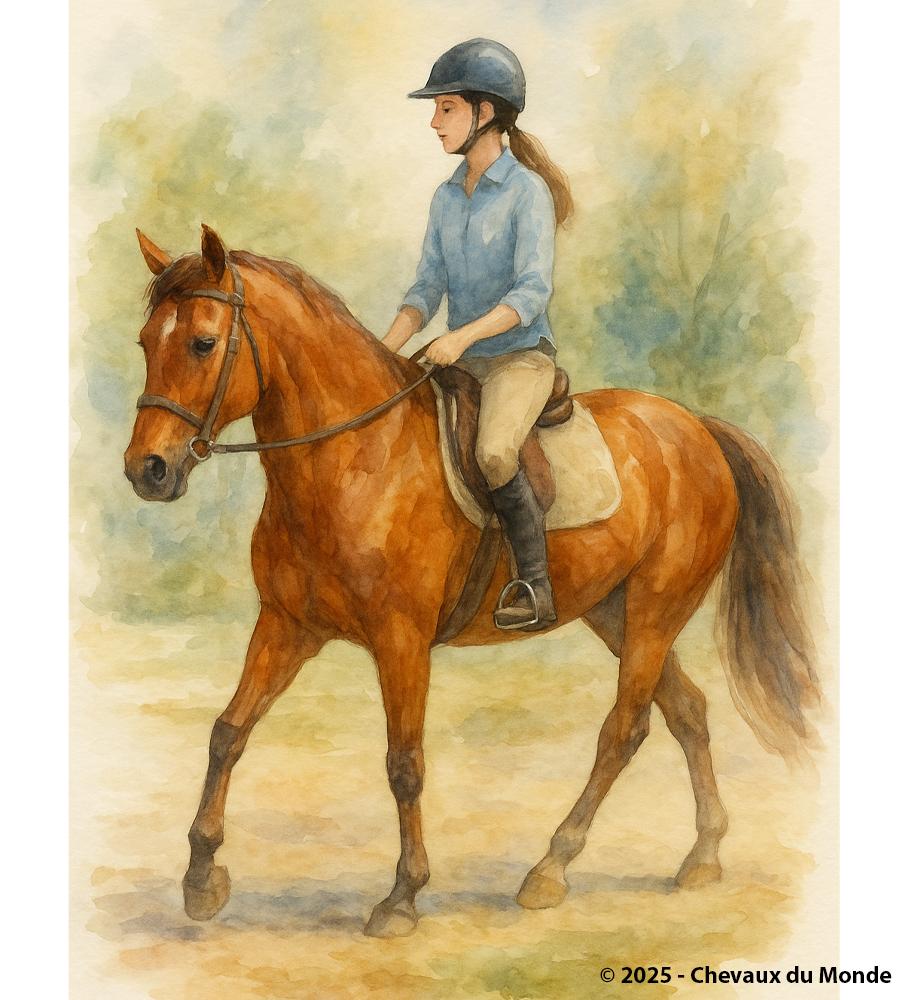
Are you comfortable in all three gaits? Walk, trot and canter should all feel controlled and relaxed before considering a purchase.
Have you dealt with unexpected situations on horseback? A horse that spooks, refuses a fence or breaks into a sudden canter these are everyday occurrences. Having experienced them in a lesson with an instructor present is very different from managing them alone.
What Professionals Recommend
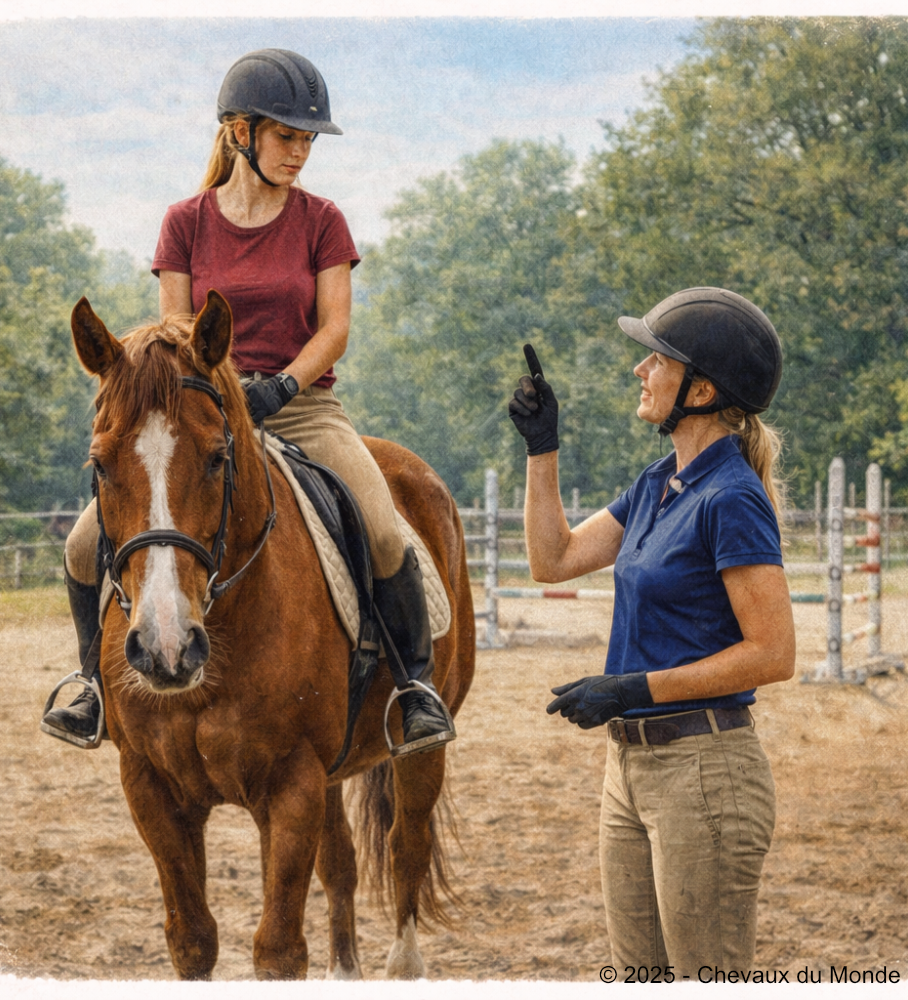
The vast majority of riding instructors recommend waiting for a minimum of five to seven years of regular practice before buying a first horse. This is not an absolute rule, but a reasonable benchmark. If your regular instructor advises against buying, listen to them.
Step 2: Define Your Criteria Before You Start Looking
Once you have honestly assessed your level, you need to establish the profile of horse you are looking for. These criteria should be set before you start visiting horses, not during.
Age: The Most Important Factor
This is the single most important criterion for a first horse, and the one buyers most commonly get wrong.
Foals and young horses (under 5 years old) should be ruled out entirely for a first purchase. They are still in training, unpredictable, and require a very experienced rider to be educated correctly. A beginner who buys a foal does not learn to ride: they create a poorly educated horse.
Horses between 5 and 8 years old can suit an intermediate rider, provided the training is already well established. These horses still have plenty of energy and can be lively.
Horses between 8 and 15 years old represent the ideal age range for a first purchase. They have enough experience to be reliable, are generally well trained, and still have many years ahead of them.
Horses over 15 years old can make excellent first horses, particularly for adult riders who prioritise safety over performance. Be aware, however, that veterinary costs tend to increase with age.
Character: The Absolute Priority
Character takes precedence over everything else. A beautiful, well-conformed horse with an impressive pedigree is worthless to a beginner if it is nervous, anxious or unpredictable.
Look for a horse described as calm, consistent and forgiving. In equestrian terms, these words mean the horse tolerates mistakes in the saddle, does not overreact to stimuli and remains manageable in new situations.
Be wary of horses described as "a ride for an experienced rider", "sensitive", "a pure sport horse" or "requiring a firm hand". These phrases are often euphemisms for a difficult animal.
Size and Build
The horse's size should suit the rider, but this criterion is less critical than many people think. A tall rider can perfectly well ride a horse of modest height if the animal is well built and powerful enough.
However, a beginner with a light seat on a very large, high-necked horse may struggle to establish a correct contact. The key is that the rider feels comfortable and secure in the saddle — not perched or overwhelmed.
Discipline
Buy a horse trained for the discipline you practise. A show jumping horse is not necessarily suited to trail riding, and vice versa. A horse trained for dressage will respond to the aids very differently from a western horse. Versatility exists, but never assume it.
Step 3: The Best Breeds for a First Horse
Certain breeds are known for their steady temperament, reliability and ease of management. These are not absolute rules — individual character always takes precedence over breed — but these general tendencies can guide your search.
Cold-Blooded Breeds and Their Crosses
Draft breeds and their crosses are frequently underestimated as first horses. Their natural calm, hardiness and tolerance make them excellent partners for beginners.
The Cob (a cross between a heavy and a light horse) is particularly recommended: compact, solid, low-reactive and often highly versatile. Breton or Comtois crosses also make excellent leisure horses.
Recognised Warmblood Breeds
Some warmbloods with well-established breeding are excellent first horses, particularly for riders who want to progress toward sport. A well-tempered Selle Français, a calm KWPN (Dutch Warmblood) or a steady Hanoverian can all work well, provided you select an individual with a proven temperament.
Be aware: these breeds also produce very lively and powerful individuals. Individual character is even more important here than breed.
Large Ponies for Adults and Teenagers
Large ponies such as the Connemara, New Forest and Welsh Cob are often excellent first mounts for adults of lighter build. Hardy, intelligent and often well schooled through years of pony club work, they offer remarkable safety and versatility.
The Connemara in particular is renowned for its balanced temperament, sure-footedness and ease of care. It is one of the best options for a first purchase.
Breeds to Avoid for a First Horse
Some breeds are not recommended for a first horse — not because they are poor horses, but because they require an experienced rider to bring out the best in them.
The Thoroughbred is reactive, sensitive and unforgiving of riding mistakes. The pure Arabian, despite its legendary loyalty, is nervous and sharp. The Quarter Horse works well in western riding with proper guidance but can surprise a rider trained in classical equitation. Iberian breeds (Lusitano, PRE) are brilliant but highly responsive to the aids and not well suited to a novice hand.
Step 4: Where to Look and How to View
Reliable Search Channels
Riding schools and professional yards are often the best source for a first purchase. Professionals have every incentive to sell you the right horse: their reputation depends on it. Ask your regular instructor whether they know of any horses for sale within their network.
Specialist breeders and dealers can offer good horses, but bear in mind that a dealer has a commercial interest. Always bring someone you trust.
Private listings on platforms such as Horse and Hound, Preloved or specialist equestrian sites offer good opportunities but also more risk. Without a known history or trusted network, it is harder to verify the reliability of the information provided.
Equine rescue organisations allow you to rehome horses at lower cost, but these animals often have a difficult past that requires experience to manage. This is generally not the right option for a first horse.
How to Conduct a Visit
Always bring a professional with you. This is the single most important piece of advice in this guide. An instructor, vet or experienced trusted rider will immediately spot what you will miss: a tension in the gait, a suspicious reaction to the headcollar, a behaviour that hints at something deeper.
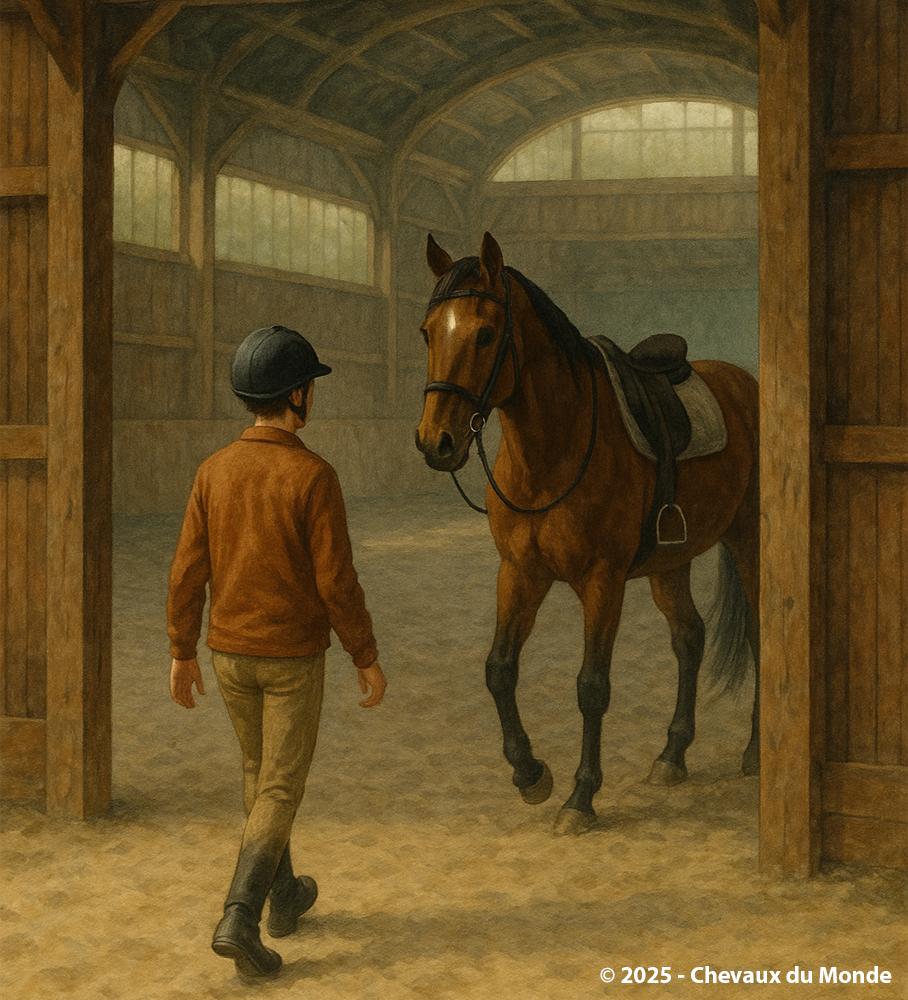
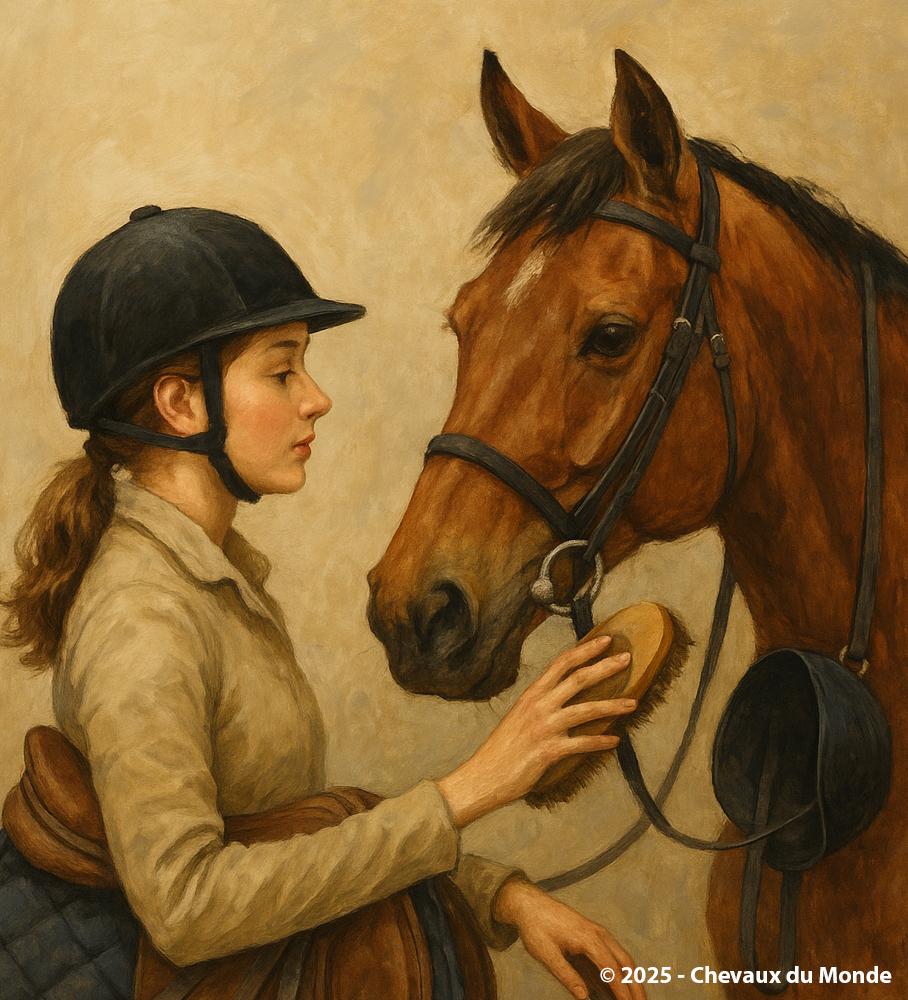
Observe the horse before you ride. How does it behave in the stable? Does it allow you to approach? How does it react to grooming and tacking up? A horse that pins its ears back, kicks, or attempts to bite when being saddled is signalling a problem.
Ride the horse yourself, not just the seller. A horse can look perfect under an experienced hand and feel completely different under less precise aids.
Test the horse in several situations. In the arena, out hacking, alone and with other horses. A horse that behaves perfectly in an enclosed space may be very different on a trail.
Ask the right questions. How long has the seller owned the horse? Why are they selling? How often is the horse currently worked? Are there any history of health or behavioural issues? Be wary of sellers who answer vaguely or consistently downplay the horse's shortcomings.
Step 5: The Pre-Purchase Veterinary Examination
Once you have selected a horse, do not sign anything or pay anything before the pre-purchase vetting. This is a non-negotiable step for any purchase above a few hundred pounds.
What the Vetting Includes
A standard vetting includes a full clinical examination (eyes, teeth, heart, lungs, limbs), a lameness assessment at walk and trot in a straight line and on a circle, and usually flexion tests of the main joints.
For more significant purchases, it is advisable to add foot X-rays (front and lateral views), an endoscopy (to check the respiratory tract) and potentially blood tests to verify the absence of prohibited substances.
What the Vetting Does Not Guarantee
A pre-purchase vetting does not guarantee that the horse will be in perfect health six months down the line. It provides a snapshot at a given moment and identifies existing abnormalities. Some latent issues may not be visible at the time of examination. This is precisely why horse insurance makes sense from the moment of purchase.
Classic First-Purchase Mistakes
Buying on emotion. "He looked at me differently from the others" is not a selection criterion. Emotional attachment comes after the purchase, not before.
Buying a young horse to "grow together". This is one of the most common and costly mistakes. Two novices together do not make a functional partnership.
Skipping the pre-purchase vetting to save £300 to £500. A vetting that uncovers a problem saves you thousands.
Allowing yourself to be rushed by the seller. "I have someone else interested" is a classic sales technique. The right horse for you will still be available tomorrow.
Buying without having confirmed a yard. The purchase is only the beginning. Having a livery place confirmed before buying is essential.
Overestimating your current abilities. Buy the horse you need today, not the one you hope to deserve in two years.
After the Purchase: The First Months Together
The first weeks with a new horse are a period of mutual adjustment. The horse is changing environment, routine, companions and feed. It may behave differently from how it did at the seller's yard — sometimes worse, sometimes better.
Give it time to settle. Avoid overloading it with work in the first few weeks. Prioritise contact, grooming and quiet hacking before resuming more structured work.
Continue your lessons. Owning your own horse does not mean stopping lessons. On the contrary, this is the moment when professional guidance is most valuable in helping you build a healthy relationship with your horse.
Observe it carefully. Learn what normal looks like — at feeding time, in the field, in the stable. Knowing your horse when it is well is what allows you to spot a problem quickly.
In Summary: The Ten Commandments of a First Purchase
Honestly assess your level and take your instructor's advice. Set your criteria before visiting horses, not during. Prioritise a horse between 8 and 15 years old with a calm and established character. Never buy a foal or very young horse as your first horse. Always bring a professional with you when viewing. Test the horse in multiple situations and conditions. Never skip the pre-purchase veterinary examination. Do not give in to seller pressure or a false sense of urgency. Have your yard and budget confirmed before signing anything. Take your time — the right horse is worth waiting for.
A successful first horse means years of pleasure, partnership and progress. A poorly chosen first horse means stress, risk and often unexpected expense. Take all the time you need. It is always worth it.