This tool lets you compare two breeds of horses, ponies, or donkeys in the blink of an eye. See their geographical origins, heights, and weights to better understand each type of equine.
Origin:
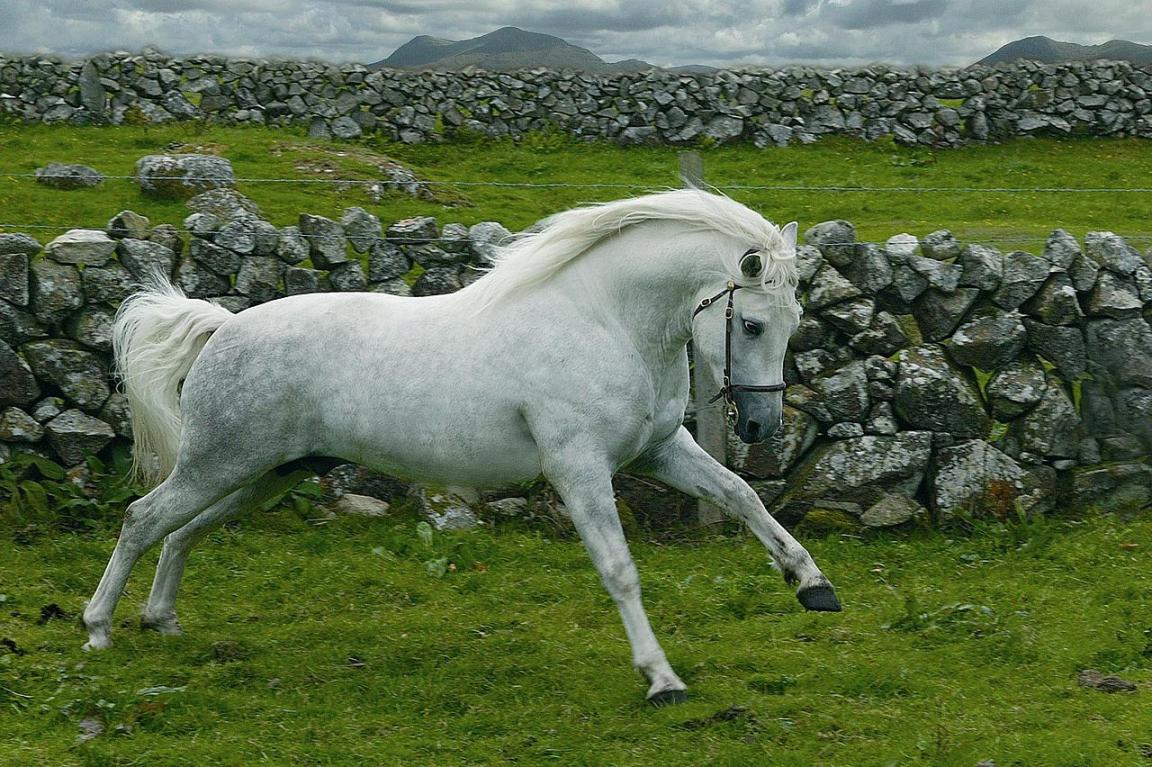
The Connemara Pony originates from the Connemara region, in County Galway (western Ireland).
This territory is characterized by:
These natural conditions shaped a hardy, frugal and enduring pony, capable of surviving on sparse pastures.
The Connemara was traditionally the pony of Irish peasants:
It played an essential role in rural Irish life until the 20th century.
Several crossbreedings influenced the type:
Despite these contributions, the Connemara retained its own identity, combining elegance and hardiness.
Today, the Connemara is regarded as the national equestrian symbol of Ireland.
The great annual gatherings in Clifden, organized by the Connemara Pony Breeders’ Society (CPBS) since 1924, have become a true cultural celebration. The Connemara is the product of a harsh environment and traditional peasant culture.
Having become a world-renowned sport and leisure horse, it remains deeply rooted in its Irish heritage.
Height: 128 – 148 cm
Weight: 300 – 450 kg
Origin:
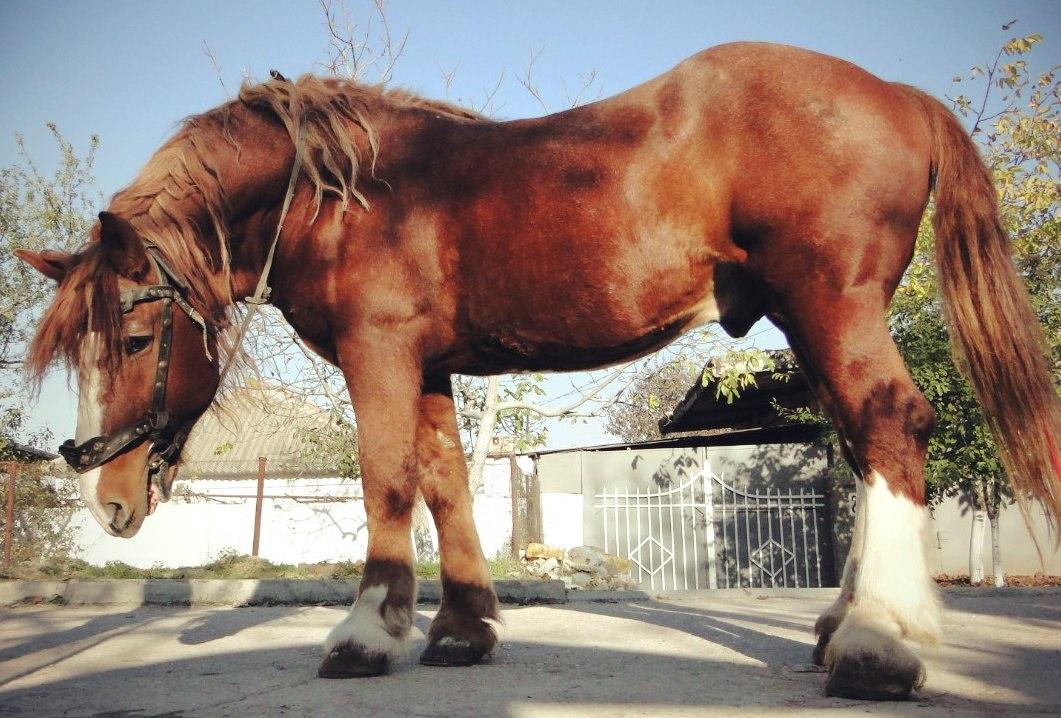
The Soviet Heavy Draft (Советский тяжеловоз, Sovetskiï Tiajelovoz, literally “Soviet heavy draft horse”) is a Russian draft horse breed, officially created at the beginning of the 20th century and consolidated after World War II. The first crossbreeding took place in state studs, notably at Pochinki (Briansk region), with the aim of developing a powerful, enduring horse perfectly adapted to the agricultural and industrial needs of the USSR.
In 1952, the type was fixed and the breed was officially recognized with the opening of the state stud-book. It is today considered one of the main Soviet equine creations and a pillar of Russia’s agricultural heritage.
Height: 150 – 160 cm
Weight: 600 – 800 kg