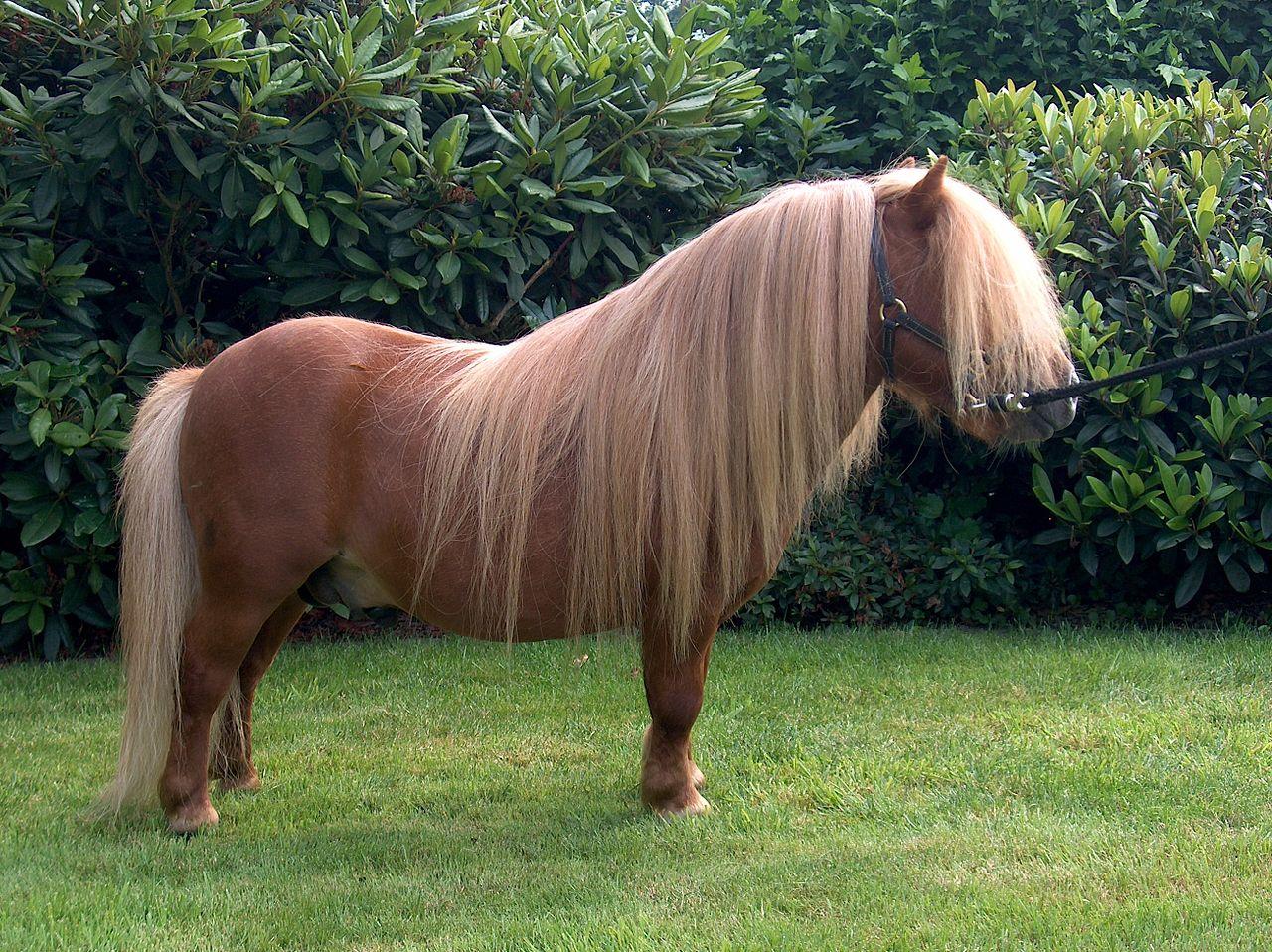
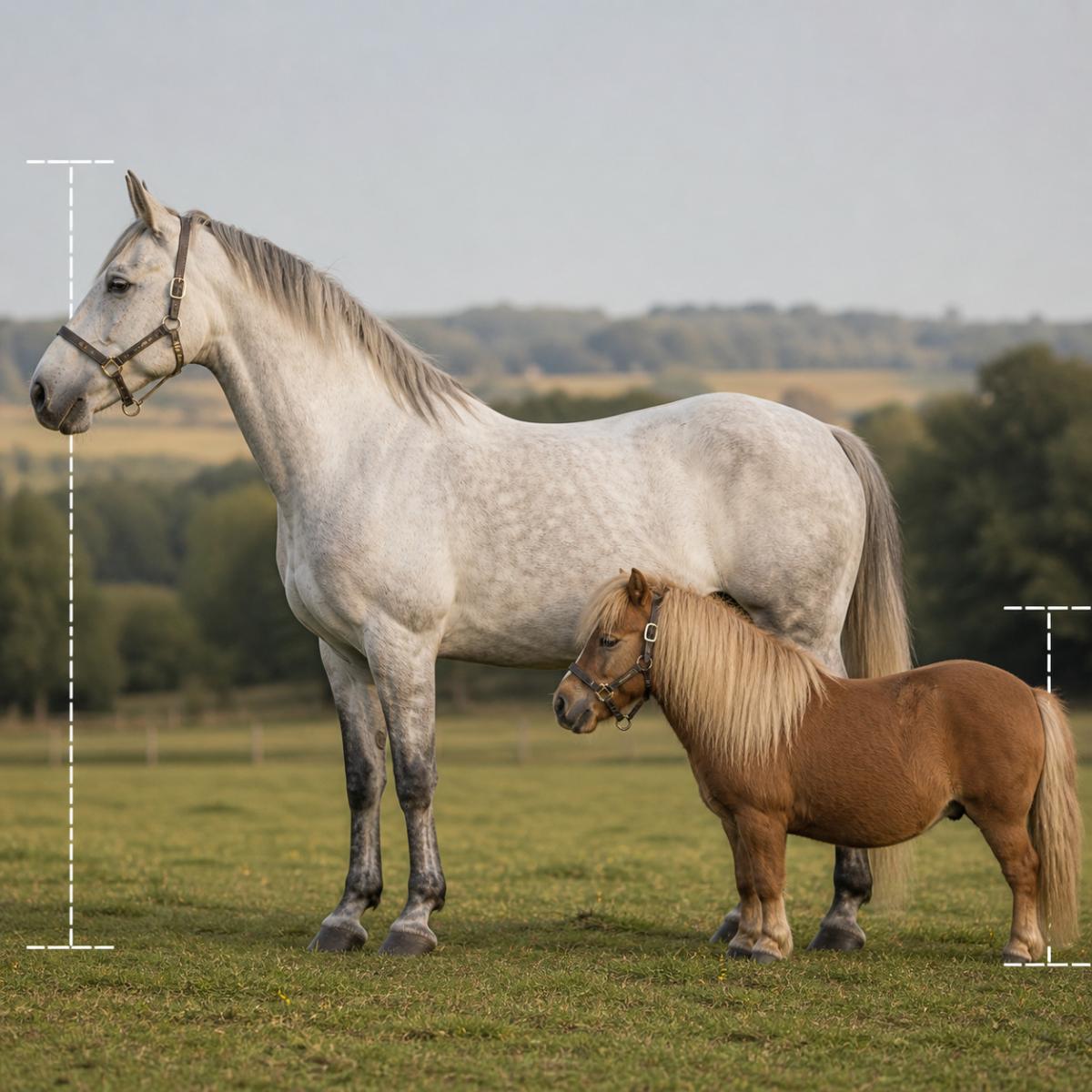
The difference between a horse and a pony is often misunderstood. Many people think a pony is simply a small horse. In reality, the distinction is based on several criteria: size, breed, morphology, breeding history and official classifications.
A pony belongs to the same domestic species as the horse, but some bloodlines were selectively bred to keep a compact, hardy and versatile model. On the other hand, several breeds officially classified as horses remain small in stature.
So, how can you tell the difference between a horse and a pony? Here is a complete and rigorous guide.
What Is the Real Difference Between a Horse and a Pony
The distinction between a horse and a pony does not depend on a single factor.
It generally depends on:
- height at the withers
- recognised breed
- official studbook
- morphology
- historical aptitudes
- sporting or traditional use
In other words, a pony is not simply “smaller”, but often an equine category shaped by selective breeding.
Size The Best Known Criterion
Height at the withers remains the most common reference point.
The 1.48 m Rule :
In many sporting regulations, an equine measuring 1.48 m or less is classified in the pony category.
The withers are the highest point of the back, between the neck and body.
This measurement is mainly used for:
- pony competitions
- show categories
- youth rider circuits
Why Size Is Not Enough :
Two equines of similar height may belong to different classifications.
A compact animal from a pony breed is not interpreted the same way as a small horse from a horse breed.
Height is therefore useful, but incomplete.
Some Small Breeds Are Officially Horses
Yes. Several small breeds are recognised as horses.
Icelandic Horse
The Icelandic Horse is often moderate in height, but remains a true horse breed. It has unique breeding standards and special gaits such as the tölt.
Fjord Horse
The Fjord Horse, from Scandinavia, has a compact and hardy model. Despite its moderate size, it is classified as a horse.
Hucul
The Hucul, a mountain breed from Central Europe, is another small and robust horse valued for outdoor riding and trekking.
Which Breeds Are Recognised as Ponies
Some breeds have long been officially classified as ponies.
Shetland Pony
An iconic breed from the Shetland Islands:
- small size
- great hardiness
- remarkable strength
- popular family pony
Connemara Pony
Originally from Ireland, it is known for:
- versatility
- appreciated temperament
- sporting ability
- strong carrying capacity
New Forest Pony
An English breed valued for:
- balance
- reliability
- leisure and sport suitability
Dartmoor and Exmoor
These ancient British ponies are known for resistance and adaptation to difficult environments.
Morphological Differences Between Horse and Pony
Although every breed is unique, ponies often show:
- a more compact body
- strong bone density
- solid feet
- excellent hardiness
- low centre of gravity
Horses more often display, depending on bloodlines:
- greater stride amplitude
- longer silhouettes
- more extended movement
- specialised sporting models
These are general tendencies, not absolute rules.
Is the Character Different
Saying a pony is “stubborn” and a horse “noble” is a cliché.
Behaviour depends mainly on:
- genetics
- education
- lifestyle
- human consistency
- training received
Many hardy ponies are intelligent, economical and opportunistic, which may create the impression of a stronger personality.
Can a Pony Carry an Adult
Yes. Several pony breeds have excellent carrying capacity.
Examples include:
- Highland Pony
- Fell Pony
- Dales Pony
- Connemara
- Welsh Cob
A well-built compact model can carry proportionally a lot.
Is a Pony a Baby Horse
No.
A young equine is called:
- foal
- filly for a young female
The word pony refers to an adult equine belonging to a pony breed or type.
Why Are Some Ponies Expensive
A very good pony can be worth more than an average horse.
Common reasons:
- safety for young riders
- high demand
- rarity of good models
- sporting qualities
- reliable temperament
- family versatility
Top sport ponies and children’s ponies are especially sought after.
Conclusion
The difference between a horse and a pony is not limited to a measurement at the withers. It depends on breed, morphology, official standards and breeding history. Some ponies are stronger than horses, while some horses remain small in size.
To understand an equine properly, you need to look at the whole model rather than a single number.