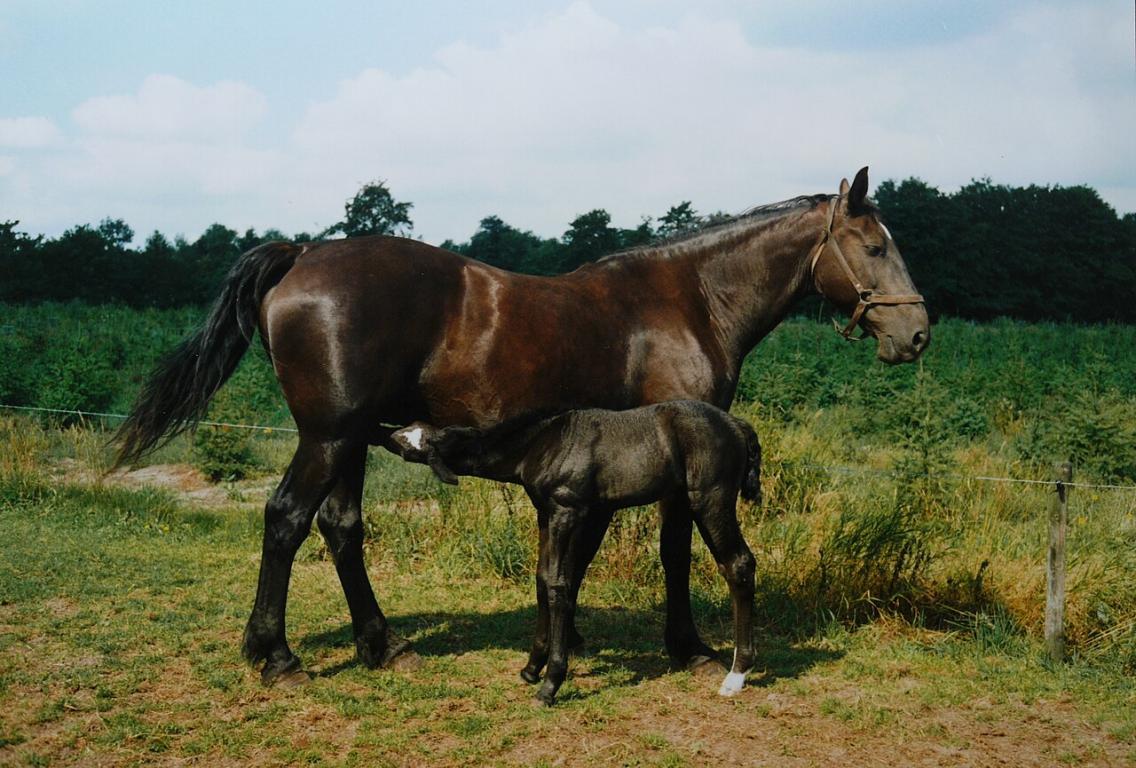
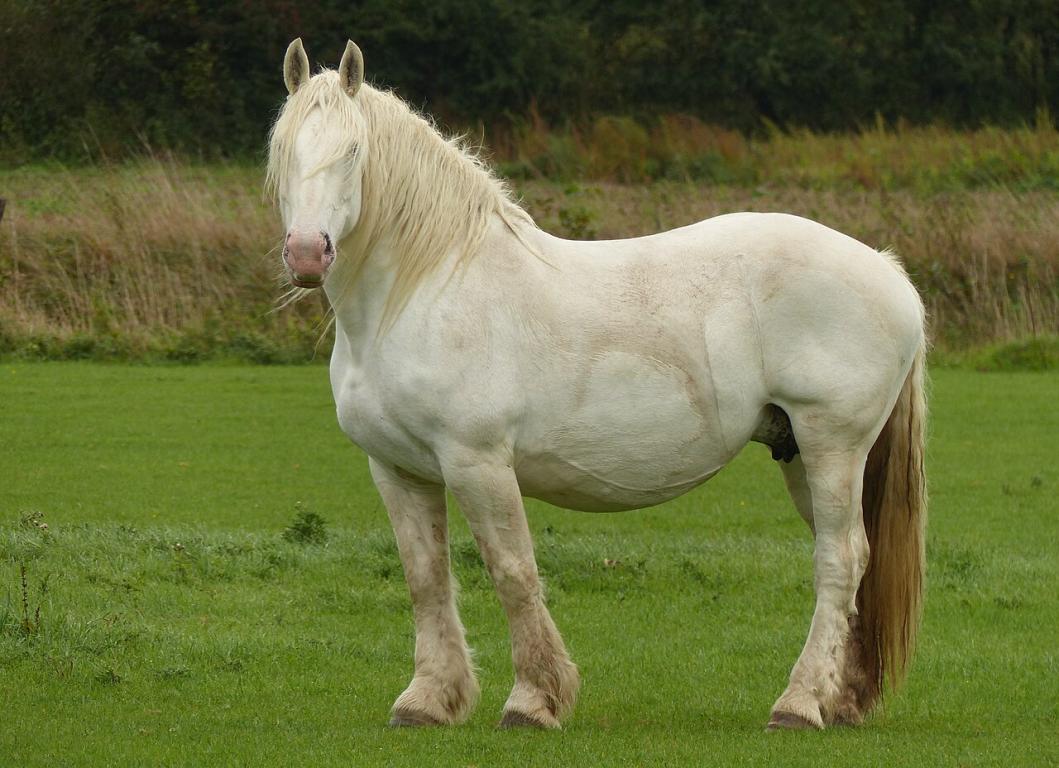
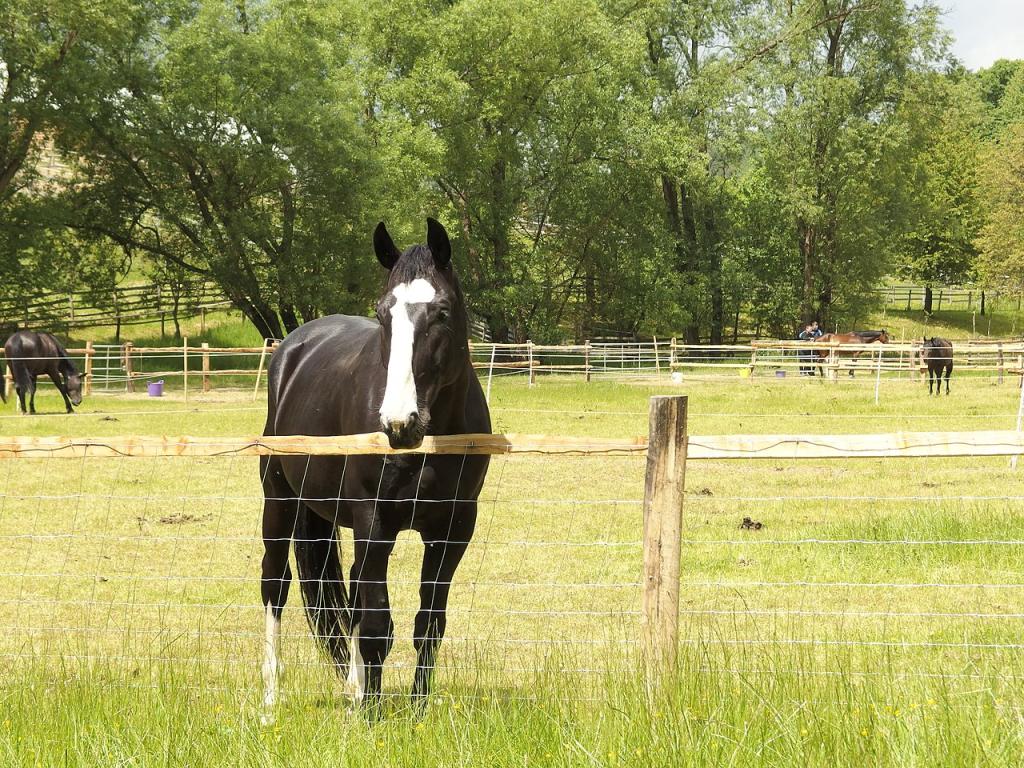
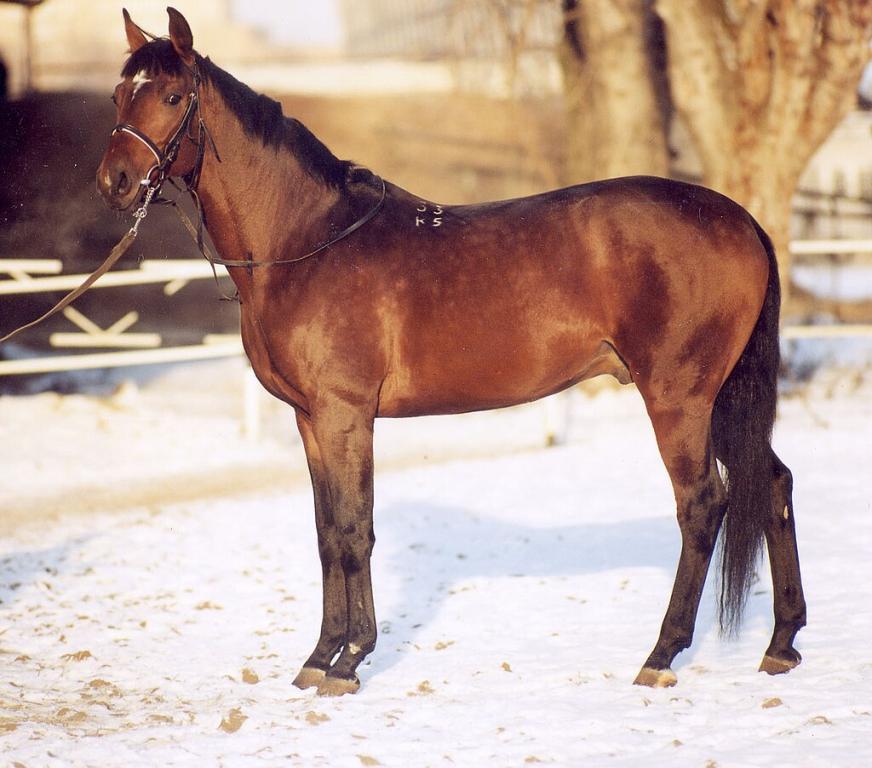
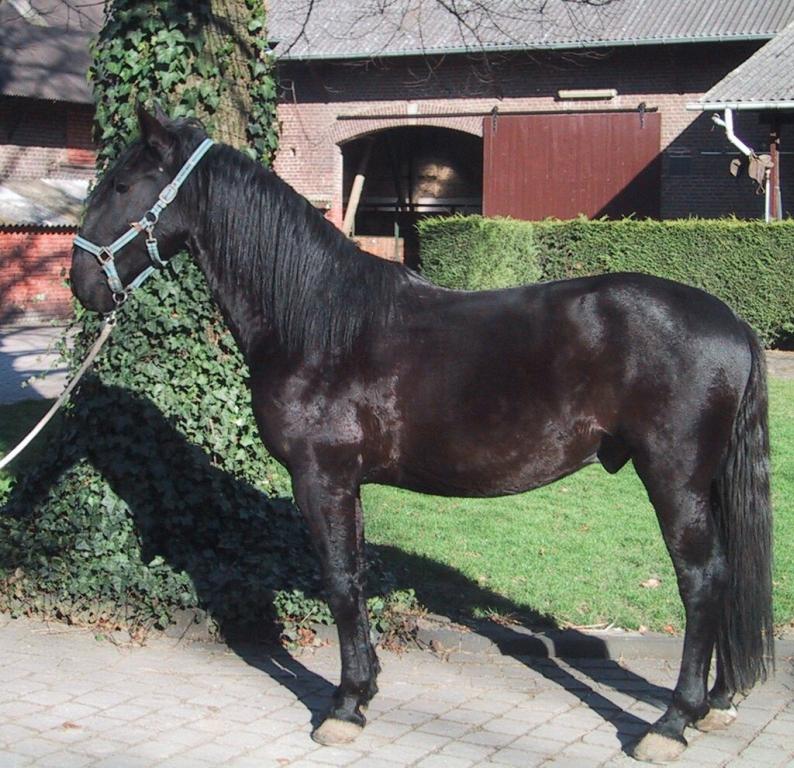
Discover the Guizhou horse, a rare breed from the mountains of China: a small, hardy and enduring horse perfectly adapted to difficult terrain.
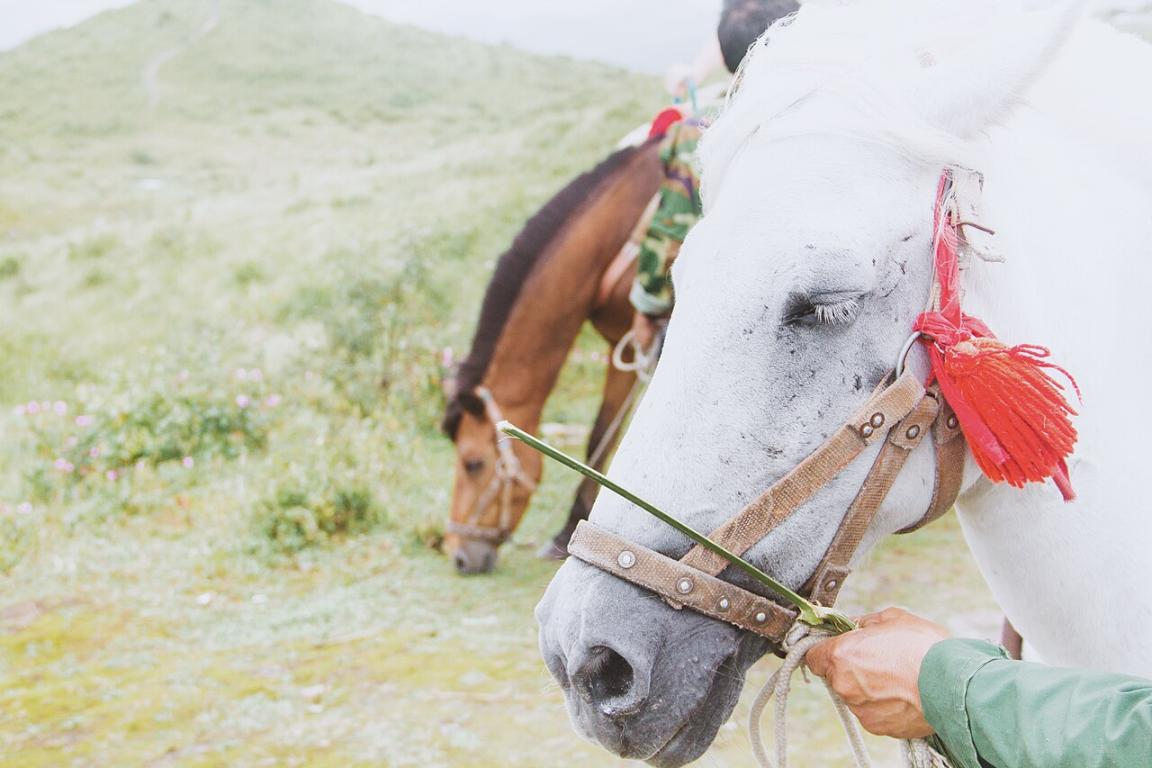
Continent: Asia
Country: China
Weight: 220 – 300 kg
Height: 115 – 130 cm
The Guizhou horse is a native breed of Guizhou Province, located in the mountainous southwest of China. This region is part of the vast Yunnan–Guizhou Plateau and is characterized by rugged karst landscapes composed of enclosed valleys, limestone plateaus, and mountainous areas that are difficult to access. The climate is humid subtropical, marked by heavy rainfall, constant humidity, and frequent fog.
In this demanding environment, the Guizhou horse developed as a rural survival horse, selected primarily for its functional qualities. Its hardiness, sure-footedness, endurance, and ability to live on limited resources have made it particularly well suited to poor and steep terrains, often incompatible with mechanized agriculture.
The Guizhou horse is closely associated with several local ethnic minorities, including the Miao (Hmong), Buyi (Bouyei), Dong (Kam), and Yi. In these mountain rural societies, the horse has never been considered a prestige animal but rather an essential working companion for daily life.
It was used to transport wood, rice, maize, and salt, to travel between villages connected by steep mountain paths, and to accompany seasonal agricultural migrations. This long-standing and practical relationship between humans and horses has deeply shaped the role of the breed within its territory.
The Guizhou horse has long been a family horse, often owned in very small numbers by rural households. Breeding practices relied on the transmission of knowledge from generation to generation, emphasizing continuity rather than specialization.
It was used in a versatile way as a pack animal, for light traction, and as a utility riding horse. More than a symbol of wealth, it represented a form of rural resilience, closely linked to the ability of families to live and work in difficult environments.
The Guizhou horse appears to descend from ancient populations of mountain horses from southwestern China, with probable influences from the eastern Tibetan Plateau and Yunnan. The very limited intervention of modern crossbreeding until the 20th century partly explains the preservation of its hardy and relatively primitive character.
Today, the breed represents both a living heritage of rural cultures in southwestern China, a witness to the historical balance between humans, animals, and their environment, and a local genetic resource that has become increasingly important to preserve in the face of agricultural mechanization and rural depopulation.
The Guizhou horse holds a notable genetic value within the Asian equine heritage. This importance results from its antiquity, prolonged geographic isolation, and the limited influence of modern breeding practices on its development. The breed has preserved many traits shaped by natural selection in a demanding mountain environment, making it particularly valuable for the study of hardy horses in East Asia.
The Guizhou horse descends from indigenous horses of southwestern China, present in the region for centuries and possibly much longer. Due to the isolation of Guizhou’s mountainous areas, the breed has experienced very limited introduction of outside bloodlines and has remained relatively unaffected by modern improvement programs.
This situation has allowed the preservation of primitive genetic traits, particularly adaptations to mountainous terrain, poor soils, and humid climatic conditions that are often challenging for equines.
Over time, natural selection favored horses capable of surviving and working under demanding environmental conditions. The Guizhou horse therefore shows remarkable dietary frugality and an economical metabolism, enabling it to maintain good body condition despite limited resources.
The breed is also known for its resistance to endemic diseases, parasites, and harsh climatic conditions. The strength of its hooves and joints, often observed in these horses, is likely the result of prolonged natural selection in steep and rocky terrains.
Within the context of Asian equine populations, the Guizhou horse belongs to the group of southwestern Chinese mountain horses. It is often compared to other regional populations, particularly those from Yunnan and Guangxi, such as the Debao and Baise horses.
Despite these geographical similarities, the Guizhou horse forms a relatively distinct genetic reservoir, less influenced by crossbreeding with the larger horse populations of the northern Chinese plains.
The study of the Guizhou horse offers valuable insights in several research fields. It may contribute to a better understanding of local horse domestication in East Asia, as well as the mechanisms of genetic adaptation to demanding environments.
The breed may also serve as a reference population for comparative studies on Asian horse diversity and for research on low-input sustainable breeding strategies.
Despite its genetic value, the Guizhou horse remains a fragile population. The modernization of rural areas, the decline in the number of breeders, and uncontrolled crossbreeding may lead to a progressive dilution of its genetic heritage.
To address these risks, several conservation approaches are being considered, including in situ conservation, which maintains the breed within its traditional environment, and ex situ conservation through specialized centers, parks, or heritage farms.
The Guizhou horse is not a breed intended for improving other horse populations. Instead, it represents a conservation breed, valuable for understanding and preserving ancient equine types.
As a witness to a primitive horse type, it may represent an important genetic resource for the future resilience of horse populations. In this sense, it can be regarded as a significant component of global equine biodiversity, which is increasingly threatened by the homogenization of breeding practices.












The Guizhou horse holds significant genetic value within the Asian equine heritage, due to its antiquity, geographic isolation, and limited transformation by modern breeding.
Preservation of primitive genes adapted to:
Excellent resistance to:
The Guizhou horse belongs to the group of southwestern Chinese mountain horses, alongside populations from:
It forms a distinct genetic reservoir, less influenced than the horses of the large northern Chinese plains.
Of interest for:
It may serve as a reference population in comparative Asian studies.
Risk of genetic dilution through:
Growing interest in:
The Guizhou horse is not an improvement breed, but a conservation breed:
Within the concept of a World Horses Park, it perfectly embodies the theme “ancient horses, extreme territories and human cultures.”
The history of the Guizhou horse is that of a discreet but essential mountain horse, shaped by centuries of geographic isolation, environmental constraints, and autonomous rural cultures.
Guizhou has long been a peripheral and isolated region, never a major centre of imperial cavalry.
Local horses likely originated from ancient populations coming from:
These horses were bred not for war but for rural subsistence.
Under the Tang, Song, Yuan, Ming and Qing dynasties, Guizhou remained marginal in military terms.
Indigenous peoples (Miao, Buyi, Dong, Yi) maintained their own horse types, largely outside imperial control.
The Guizhou horse became an essential agricultural and logistical animal for isolated villages.
Stabilization of a relatively homogeneous morphological type:
Breeding remained strictly functional, without written standards but with severe empirical selection.
Early 20th century:
After 1950:
In remote mountain areas, the Guizhou horse remained irreplaceable.
Population decline but increasing heritage awareness.
Growing scientific interest in:
Today, the Guizhou horse is increasingly seen as a living heritage rather than a productive resource.
The Guizhou horse is not a horse of conquest or prestige, but:
The Guizhou horse is distinguished by a calm, reliable, and resilient temperament. This behaviour results from centuries of utilitarian use in demanding environments, combined with a close relationship with the rural communities that have raised it. Accustomed to working in isolated mountainous regions, this horse has developed a stable and thoughtful character, particularly suited to everyday tasks such as transport and light work.
In general, the Guizhou horse has a calm and steady temperament. It is rarely nervous and reacts little to stress, which makes it easy to handle in various situations. Accustomed to the changing climatic conditions of the mountains of southwestern China, it tolerates humidity, frequent fog, cooler temperatures at higher elevations, and summer heat quite well.
Its behaviour is often described as thoughtful rather than flight-oriented, which is a valuable trait when moving across steep or unstable terrain.
The Guizhou horse usually maintains a close but balanced relationship with its caretaker. It is docile and relatively easy to handle, even without extensive formal training.
In rural areas where it is traditionally raised, it is often handled by different members of the village, including:
It generally responds well to gentle and consistent handling, relying more on habit and trust than on sophisticated training techniques.
At work, the Guizhou horse is known for its cooperation and consistency. It is particularly well suited to carrying loads as a pack animal and for light draft work.Its gaits are usually steady and secure, without rushing. This regularity allows it to move effectively along narrow or uneven paths. It also has a good memory for routes, which facilitates travel between villages or agricultural areas.
Its ability to work for long periods at low intensity is one of its most valued qualities in rural environments.
The Guizhou horse demonstrates a form of practical intelligence, oriented toward adaptation and survival in demanding environments. It shows a strong ability to adapt to new situations and to naturally analyze the conditions of the terrain.
It is capable of identifying obstacles such as stones, steep slopes, or muddy ground, and often adopts a cautious behaviour that helps it avoid dangerous situations.
Within groups, the Guizhou horse is generally sociable with other horses. Aggressive behaviours are rare, and the hierarchy tends to remain stable within the small family herds in which it is raised.
It also coexists well with other domestic animals, particularly cattle and goats, as well as with humans in traditional agricultural environments.
Thanks to its calm temperament and reliability, the Guizhou horse can also be suited to certain educational or pedagogical activities. It may be appropriate for:
Its learning process may be relatively gradual, but the skills acquired tend to be durable and reliable once learned.
The Guizhou horse is a breed strongly rooted in its native territory. Its breeding remains almost entirely concentrated in Guizhou Province, located in southwestern China on the Yunnan–Guizhou Plateau. This very limited geographic distribution largely explains the breed’s rustic characteristics and its close adaptation to local environmental conditions.
The Guizhou horse is raised almost exclusively in Guizhou Province, a mountainous region in southwestern China. The province is characterized by complex karst landscapes composed of limestone plateaus, enclosed valleys, and forested mountain areas.
The relative isolation of these territories has long helped maintain a stable local equine type, with limited influence from larger horse breeds found in other regions of China.
Breeding of the Guizhou horse is mainly concentrated in the rural and mountainous areas of several autonomous prefectures, including:
Smaller populations can also be found in peripheral areas of the Bijie and Anshun prefectures. These regions largely correspond to the historical territories inhabited by the Miao, Buyi, Dong, and Yi peoples, who have long maintained traditional breeding practices adapted to mountainous environments.
The horses live in a demanding mountain environment that has strongly influenced their physiological and behavioral adaptation.
The main characteristics of their habitat include:
These conditions have favored the development of a hardy, frugal, and sure-footed horse capable of moving efficiently across difficult terrain.
Breeding of the Guizhou horse remains largely extensive and traditional. In rural villages, horses are typically kept by small family farms.
The system generally involves:
This breeding system contributes to maintaining the natural hardiness of the breed.
The Guizhou horse has very limited distribution outside its native region. It is rarely found in other Chinese provinces and has no structured international presence.
A few individuals may be kept in:
The strong geographic concentration of the breed makes the Guizhou horse highly dependent on its native territory. While this reinforces its authenticity, it also makes the breed more vulnerable to rapid changes in rural environments.
Agricultural modernization, the decline in traditional breeders, and broader economic changes may directly affect the breed’s population. For this reason, the Guizhou horse is often considered a priority for local conservation programs aimed at preserving China’s traditional horse breeds.
The Guizhou horse is generally recognized for its good overall health and strong hardiness. These qualities result from long-term natural selection in a demanding environment combined with an extensive breeding system based on limited resources. Accustomed to living and working in difficult conditions, this horse has developed a robust constitution and a remarkable capacity for adaptation.
Overall, the Guizhou horse shows good longevity and a notable resistance to difficult living conditions. Cases of hereditary diseases identified within this population appear to be rare, partly due to the absence of intensive breeding focused on aesthetic or sport-related traits.
Its organism is able to maintain adequate body condition with modest food resources, an important characteristic in mountainous regions where pastures can be poor.
The Guizhou horse generally has hard and well-formed hooves, well adapted to the rocky and uneven terrain of its native environment. This natural strength often reduces the need for regular shoeing.
Locomotor problems that are common in other breeds appear to be relatively uncommon in this population, including:
The joints are typically strong, and signs of early osteoarthritis are rarely observed despite the prolonged efforts associated with carrying loads and working in difficult terrain.
The Guizhou horse shows good tolerance to the variable climatic conditions typical of southwestern China. It copes well with constant humidity, the cold fog often present in mountainous areas, and seasonal temperature variations.
Its thick skin and dense coat help reduce the risk of certain dermatological issues and protect the animal against harsh weather conditions.
In its traditional environment, the Guizhou horse appears to show good resistance to internal and external parasites as well as to certain local diseases. This resistance is often linked to gradual adaptation to the environment and to natural selection over many generations.
The main health risk generally concerns digestive parasitism, which may occur when horses are kept in overcrowded conditions or within less extensive management systems.
Traditionally, the veterinary needs of the Guizhou horse are relatively limited. In many rural areas, these horses have been raised with little or no shoeing and with simple treatments sometimes based on local medicinal plants.
When necessary, the breed appears to respond well to modern veterinary medicine, which facilitates health management in more structured breeding systems.
Despite its hardiness, certain precautions remain necessary. Like many hardy horses, the Guizhou horse may show sensitivity to prolonged underfeeding, particularly during lean periods when forage resources are scarce.
Furthermore, when moved outside its native environment, mineral deficiencies may occur if the diet is not properly adapted. In such cases, gradual adaptation to the new feeding regime and husbandry conditions is generally recommended.