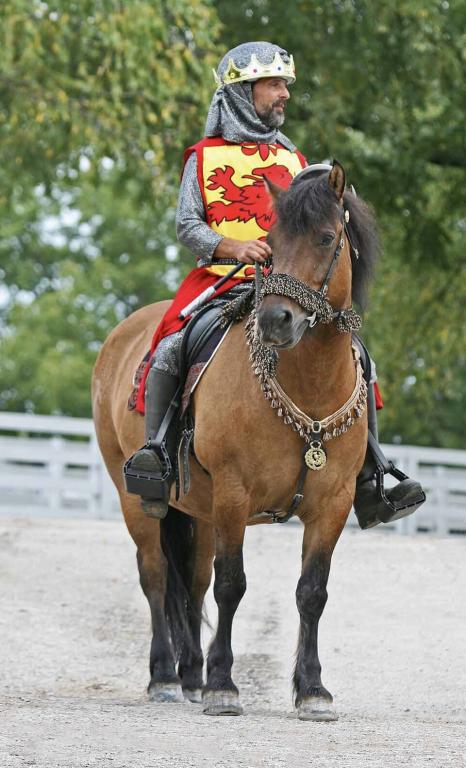
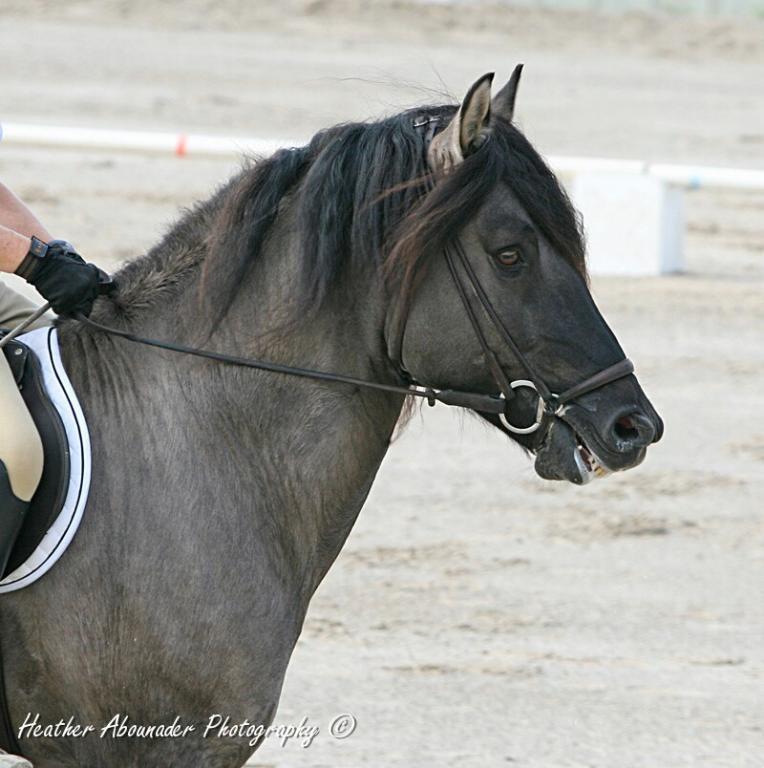
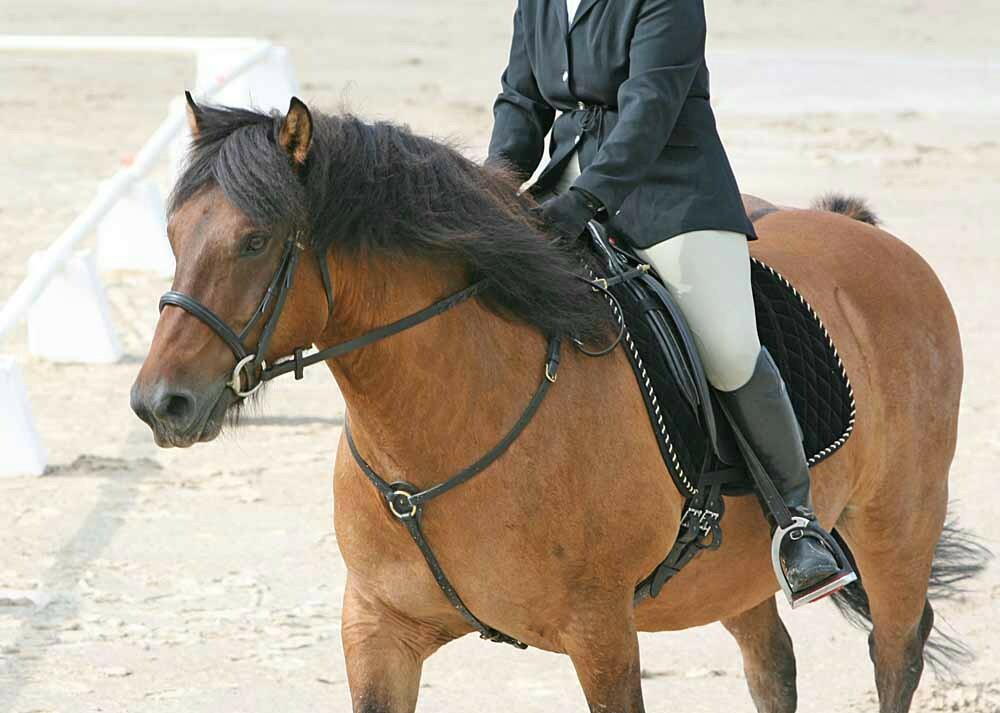
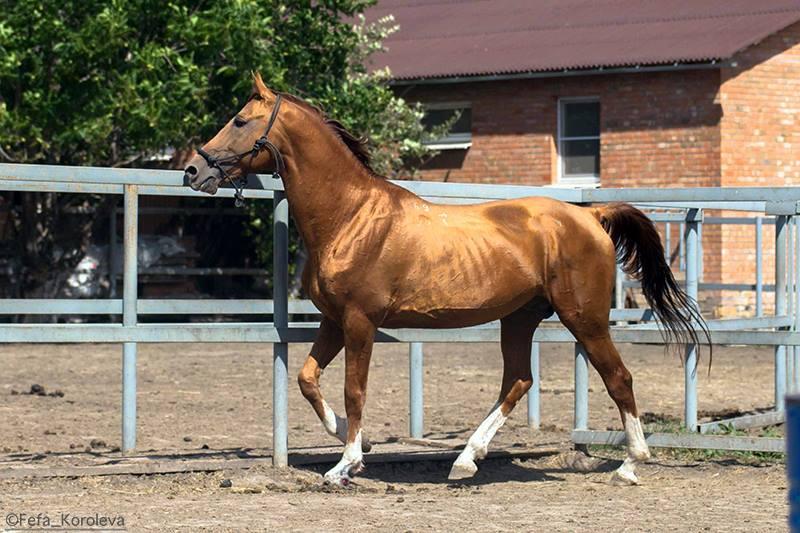
Discover the Highland Pony, a robust and friendly breed, perfect for trail riding, driving, and riders of all experience levels.
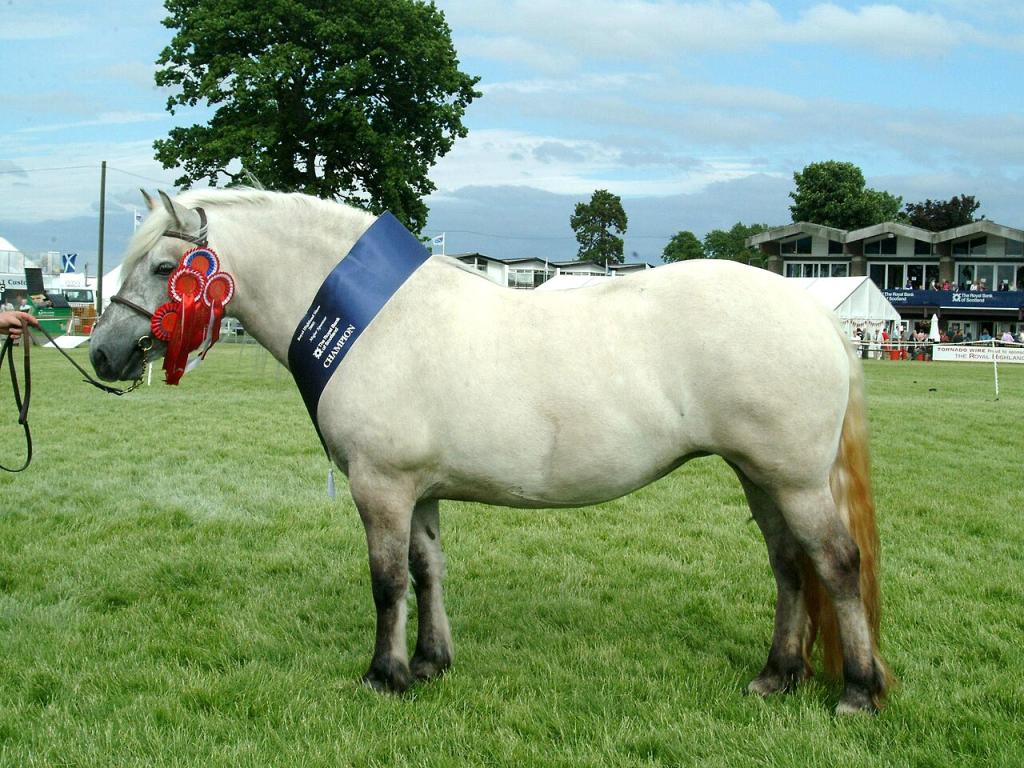
Continent: Europe
Country: United Kingdom
Weight: 400 – 500 kg
Height: 132 – 148 cm
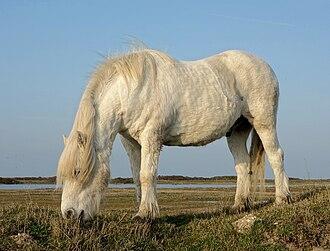
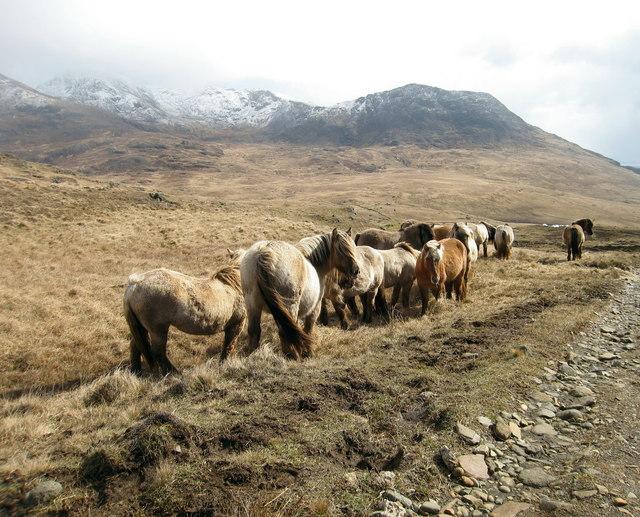
The Highland Pony originates from the Scottish Highlands and the western islands of Scotland, a region characterized by a harsh climate, poor soils, and mountainous terrain.
It descends from small, hardy native horses, influenced over the centuries by Scandinavian horses, followed by Iberian, Arabian, and draft breeds such as the Clydesdale horse.
Selected for its endurance, strength, and sure-footedness, it was long used by local populations for transport, agricultural work, and deer stalking (hunting).
The Highland Pony is primarily bred in the Scottish Highlands and the western islands of Scotland (United Kingdom). These regions include:
These territories provide ideal natural conditions: harsh climate, strong winds, poor and rugged terrain, which promote the selection of hardy and resilient ponies.
Outside its native region, the Highland Pony is also found in other parts of the United Kingdom, particularly in England and Wales, often in specialized breeding farms or leisure centers. However, numbers remain limited.
The breed has been exported across Europe, with populations notably in:
In France, breeding is scattered, with some historical centers in Brittany, Centre-Val de Loire, and Île-de-France.
Highland Ponies are also found in small numbers in:
These populations are generally small and often maintained by enthusiasts or conservation programs.
Most of the global population remains concentrated in the United Kingdom, but the breed is now international, although still rare. Breeding is mainly focused on:










The Highland Pony represents a valuable genetic resource for traits such as hardiness, resilience, and adaptation to harsh environments. Its ability to live outdoors year-round, thrive on poor-quality forage, and maintain good overall health makes it an interesting breed for improving the robustness of other equine populations.
Thanks to its compact, powerful, and weight-carrying build, the Highland transmits desirable traits:
These qualities are useful in breeding programs aimed at producing solid leisure horses or light working horses.
The Highland is sometimes crossed with lighter breeds (particularly hot-blooded horses) to produce individuals that are:
However, these crossbreeding practices remain limited and not widely structured.
With a limited global population, the Highland Pony has a genetic diversity that must be preserved. The breed is considered at risk internationally, which increases its importance in conservation programs for native breeds.
The role of the Highland Pony Society is essential to:
Beyond its practical qualities, the Highland represents an important Scottish genetic and cultural heritage. Its preservation helps maintain:
The Highland Pony originates from the Scottish Highlands and western islands (United Kingdom). It descends from small, hardy native horses that have existed for centuries and adapted to a harsh environment. External influences, particularly Scandinavian (Viking) horses, helped shape the early type.
Over time, the breed was influenced by various crosses:
These influences produced a pony that is stronger, more powerful, and versatile, while retaining its rustic nature.
For centuries, the Highland Pony was an essential working horse for local populations. It was used for:
Its strength, calmness, and sure-footedness made it invaluable in mountainous regions.
The breed began to be formally structured in the late 19th century:
These milestones helped establish the breed standard and regulate breeding.
With the mechanization of agriculture in the 20th century, the number of Highland Ponies declined sharply. The breed was then redirected toward:
This transition ensured its survival.
From the second half of the 20th century, the Highland spread beyond Scotland, particularly to:
Despite this expansion, the breed remains rare and relatively unknown worldwide.
The Highland Pony is known for its calm, patience, and reliability. It is steady and rarely nervous, making it suitable for both beginners and experienced riders.
It has a strong learning ability and real intelligence. It quickly understands expectations but can also be thoughtful and independent, especially when faced with inconsistent handling.
Bred for harsh conditions, the Highland is brave with excellent sure-footedness. It confidently navigates difficult terrain, making it ideal for outdoor riding.
The Highland is generally affectionate and engaging. It bonds easily with its rider but may be cautious with strangers at first.
It is not a fast or highly reactive pony. Instead, it has a steady and consistent energy level, suited to leisure rather than high-performance sports.
Despite its good temperament, it may:
Consistent training and regular activity are essential.
The Highland Pony has limited numbers, placing it among breeds requiring careful monitoring. The Highland Pony Society plays a key role in maintaining the breed standard, preventing morphological drift, and preserving genetic diversity.
Changes in equestrian practices are working in the Highland’s favor. More riders are seeking horses that are:
In this context, the Highland perfectly meets modern expectations, particularly for trail riding, driving, and leisure riding.
The breed is expected to continue developing in specific areas:
Its calm temperament and ability to handle difficult terrain make it highly valued for these uses.
Despite its qualities, several factors limit its expansion:
The Highland is not intended to compete with modern sport horse breeds, which limits its presence in competitive circuits.
A key challenge for the future is maintaining a balance between:
Over-selection for “easy” ponies could lead to a loss of its original qualities.
The Highland is unlikely to experience massive expansion, but its future remains stable and positive. It will continue to stand out in outdoor disciplines, remaining a niche breed valued for its reliability, strength, and versatility.
The Highland Pony is known for its hardiness and overall good health. Adapted to harsh climates, it has few known hereditary diseases and excellent longevity, often exceeding 30 years.
Its main weakness is a tendency to gain weight easily, especially when fed rich diets or kept on lush pasture. This is linked to its adaptation to poor environments.
Like many hardy breeds, it is prone to laminitis, particularly in spring when grass is rich in sugars. Careful dietary management is essential.
Some individuals may be predisposed to joint problems, particularly in the stifle (knee). These cases remain relatively limited.