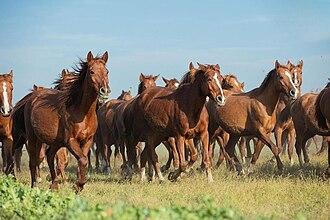
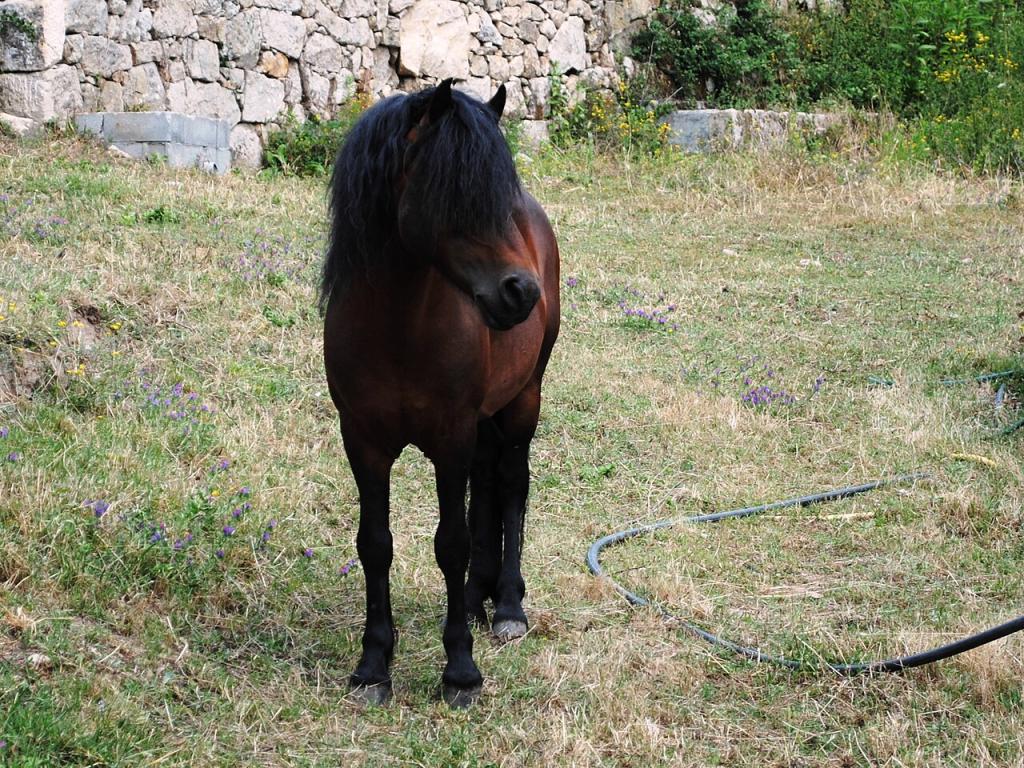
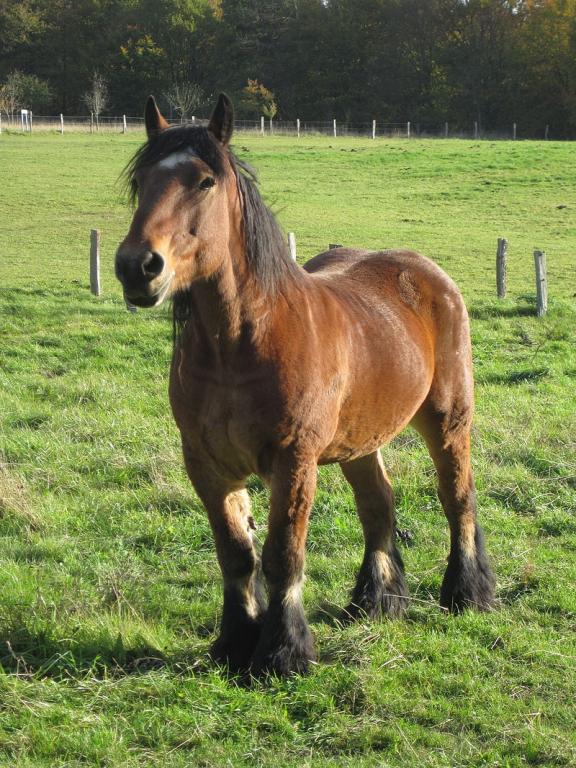
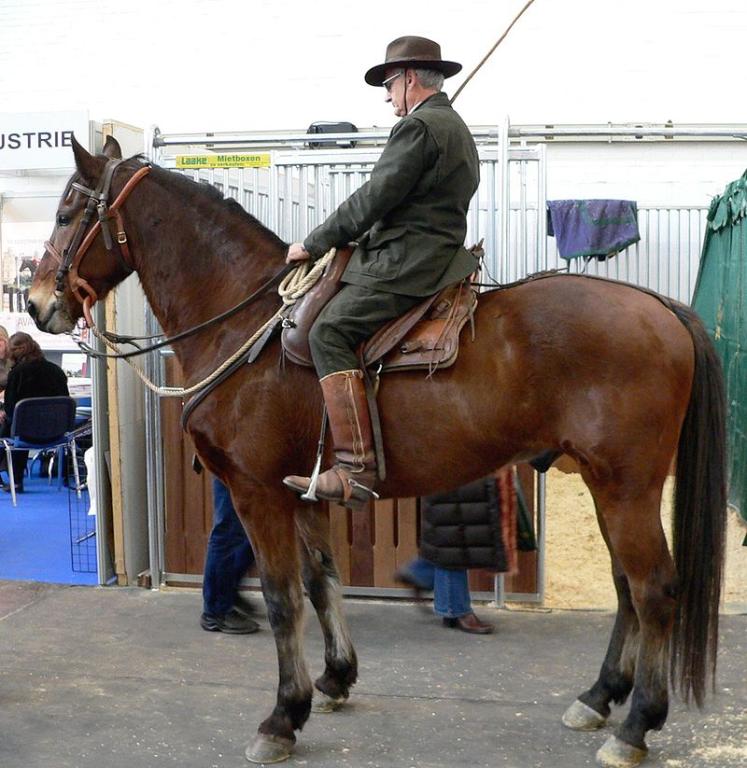
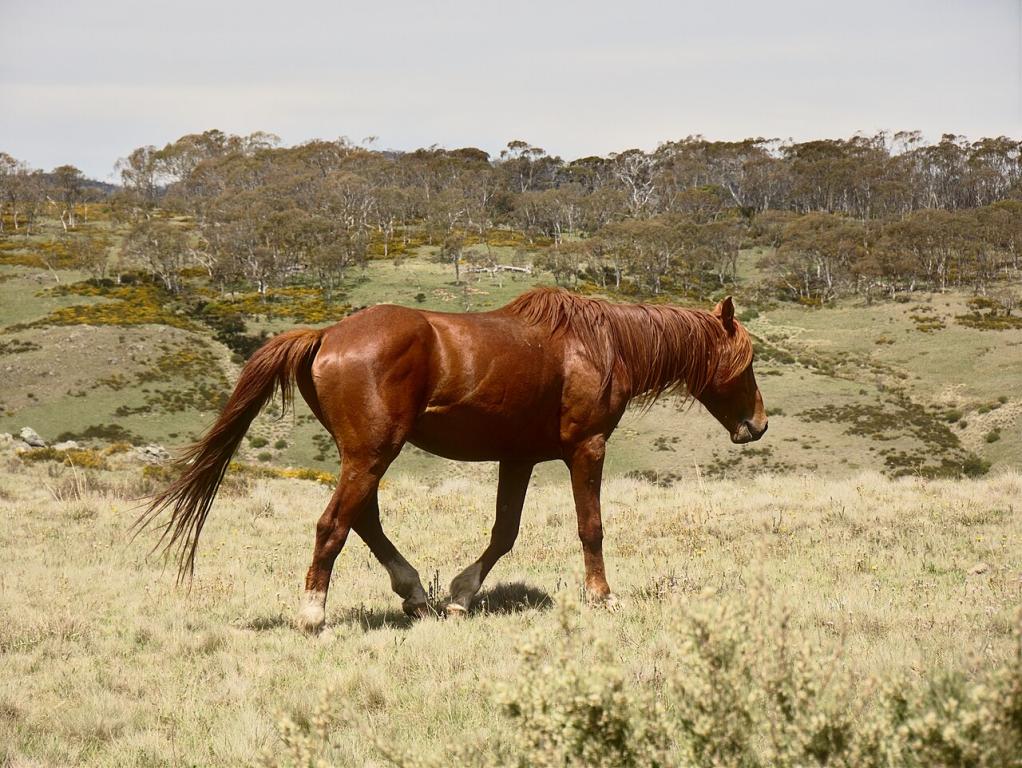
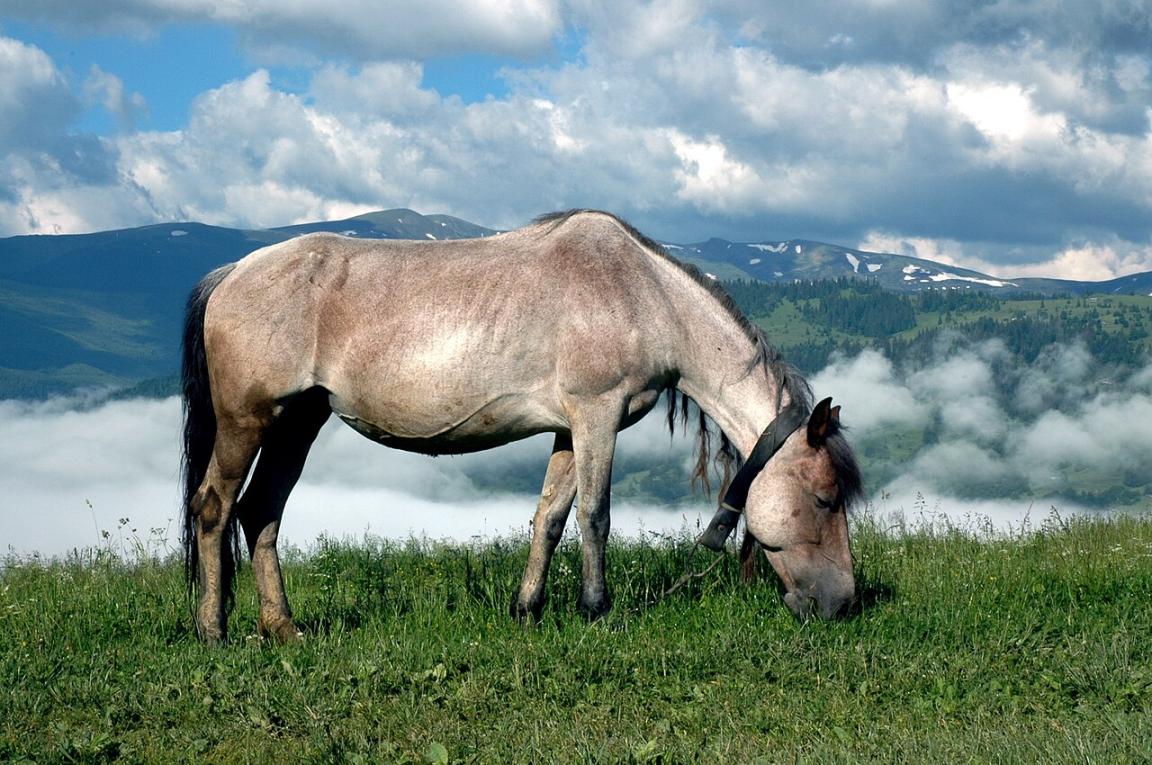
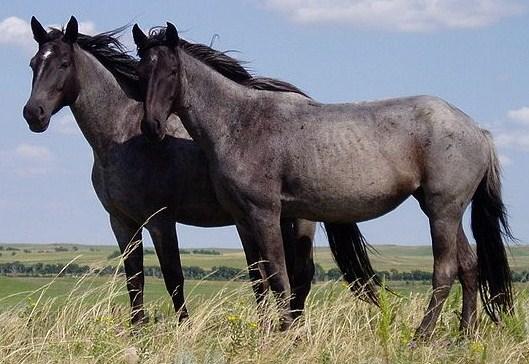
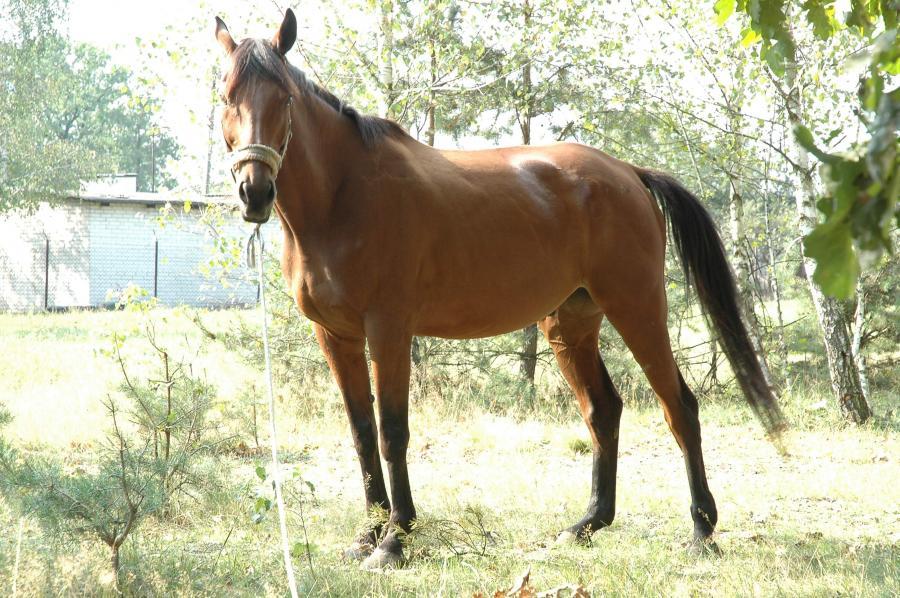
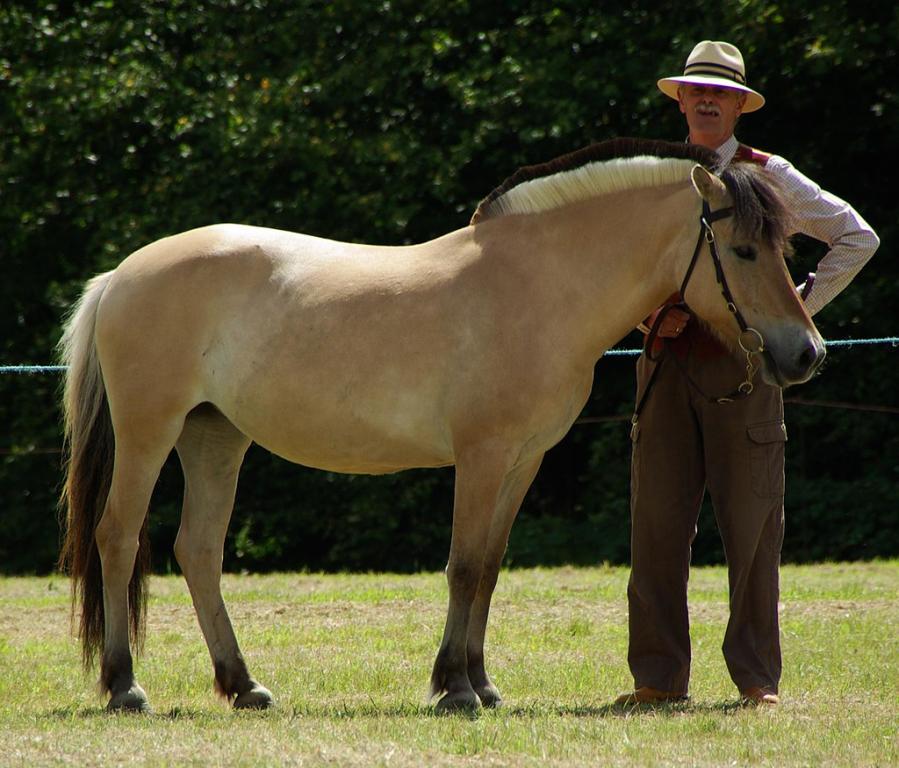
Discover the Yunnan horse, a hardy Chinese breed adapted to mountainous terrain, known for its endurance, strength, and deep historical ties to southwestern China.
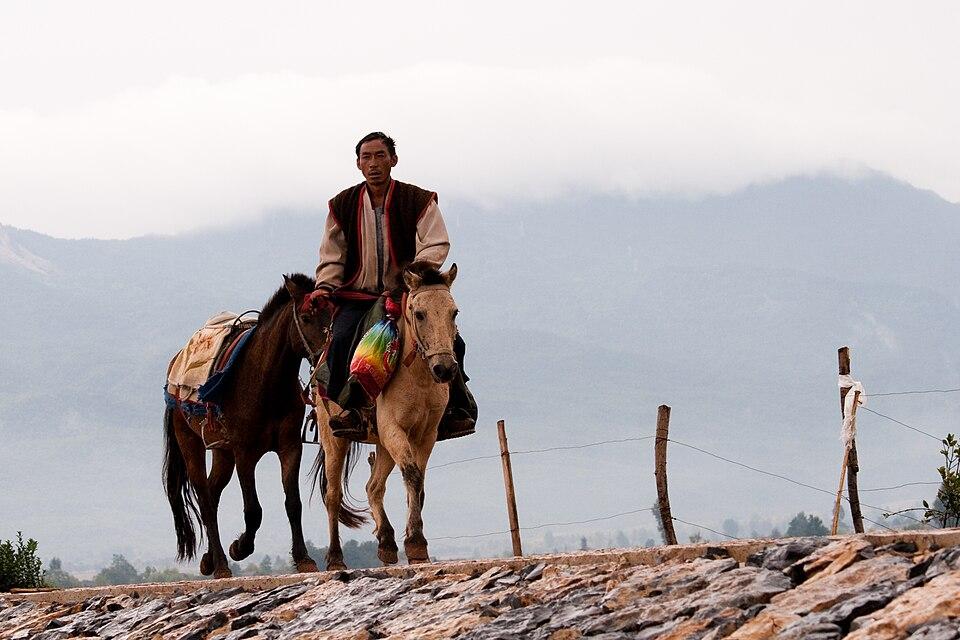
Continent: Asia
Country: China
Weight: 250 – 400 kg
Height: 105 – 130 cm
The Yunnan horse originates from Yunnan Province, located in south-western China, a region characterized by:
These natural conditions shaped a rustic equine population, capable of surviving and working in harsh environments with limited resources.
The Yunnan horse has historically been closely associated with rural communities and local ethnic minorities (Yi, Bai, Naxi, Hani, among others), who primarily used it for:
It played a discreet yet essential role along ancient trade routes, including parts of the Tea Horse Road, which connected Yunnan with Tibet and neighboring regions.
Unlike horse breeds developed through modern selective breeding programs, the Yunnan horse emerged through:
This slow evolution led to the stabilization of essential functional traits:
The Yunnan horse is raised almost exclusively in Yunnan Province, in south-western China.
The region is characterized by:
These conditions favor extensive breeding systems, based on adaptation rather than performance.
Breeding historically occurs in several rural mountainous areas, including:
In these areas, the horse is still used for:
Breeding is mostly:
Horses often live:
This system encourages natural selection pressure and maintains rustic characteristics.
The Yunnan horse remains rare outside its native region:
This limited distribution contributes to:








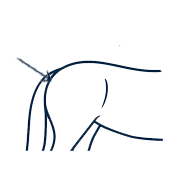

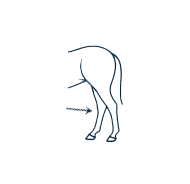



The Yunnan horse, native to Yunnan Province, represents a local genetic reservoir of the mountain horses of south-western China.
Its main value lies in the preservation of ancient traits, largely unaffected by modern industrial or sport-oriented crossbreeding.
Key characteristics include:
This genetic stability makes it a living witness of regional equine evolution.
The breed concentrates several inheritable traits closely linked to its native environment:
These characteristics are stable, inheritable, and valuable for rusticity breeding programs.
The Yunnan horse has strategic value for:
limited and carefully planned crossbreeding programs aiming to:
This horse is not suited for improving modern sport performance (speed, jumping, dressage).
Its value is biological and functional rather than competitive.
The Yunnan horse belongs to the long history of indigenous horses of south-western China, in a region marked by geographical isolation and cultural diversity.
Unlike the horses of the northern Chinese plains, influenced by Mongolian populations, the Yunnan horse developed in a mountainous and fragmented environment where large-scale horse exchanges were limited.
From antiquity, and particularly during the Chinese medieval period, Yunnan horses were used along regional caravan routes, especially those known as the Tea Horse Road.
They were used for:
Their endurance, sure-footedness, and frugal feeding requirements made them essential helpers in these difficult environments.
For centuries, selection of the Yunnan horse was not guided by aesthetic or military criteria, but by purely functional needs:
This empirical selection by rural communities produced a horse functionally homogeneous but morphologically variable, typical of ancient horse populations.
From the 20th century onward, several changes influenced the breed:
These factors caused population decline and partial dilution of the original type in some areas.
Today, the Yunnan horse is not internationally recognized as a standardized breed, but rather as a traditional regional horse population.
It survives mainly:
Its preservation relies more on cultural transmission than on structured national policies.
The Yunnan horse displays a calm, steady, and reliable temperament, shaped by centuries of utilitarian use in mountainous environments.
It was not selected for nervousness or sport reactivity, but for emotional stability and working safety.
Dominant traits include:
This horse develops a functional and pragmatic relationship with humans:
It responds well to consistent and calm handling, but tolerates poorly:
Historically used for:
the Yunnan horse is known for:
It is especially valued for its sure-footedness and cautious movement in complex terrain.
Social behavior is generally:
It rarely shows:
This stability results from a largely extensive lifestyle.
Realistically:
Its temperament is perfectly suited to a slow, steady, structured rhythm, but less adapted to intensive modern leisure riding.
The Yunnan horse population is gradually declining, mainly due to:
This trend is similar to that observed in other indigenous Chinese horse populations, often replaced by machines or standardized breeds.
The future of the breed largely depends on targeted conservation actions, including:
These initiatives remain uneven and strongly dependent on local policies.
The Yunnan horse is generally recognized for its excellent overall health and high functional longevity.
This robustness results from strong natural selection, without intensive veterinary intervention or artificial breeding pressure.
General characteristics include:
The breed shows several protective genetic traits related to its native environment: