Two profiles that are often confused
Rustic ponies and sport ponies are often seen as two completely separate categories. In reality, the difference mainly comes down to breeding selection, lifestyle, conformation, and intended use.
A rustic pony is not necessarily a “basic” or low-performing pony. Likewise, a sport pony is not necessarily fragile. Their strengths are simply not the same.
The rustic pony: resilience and adaptability
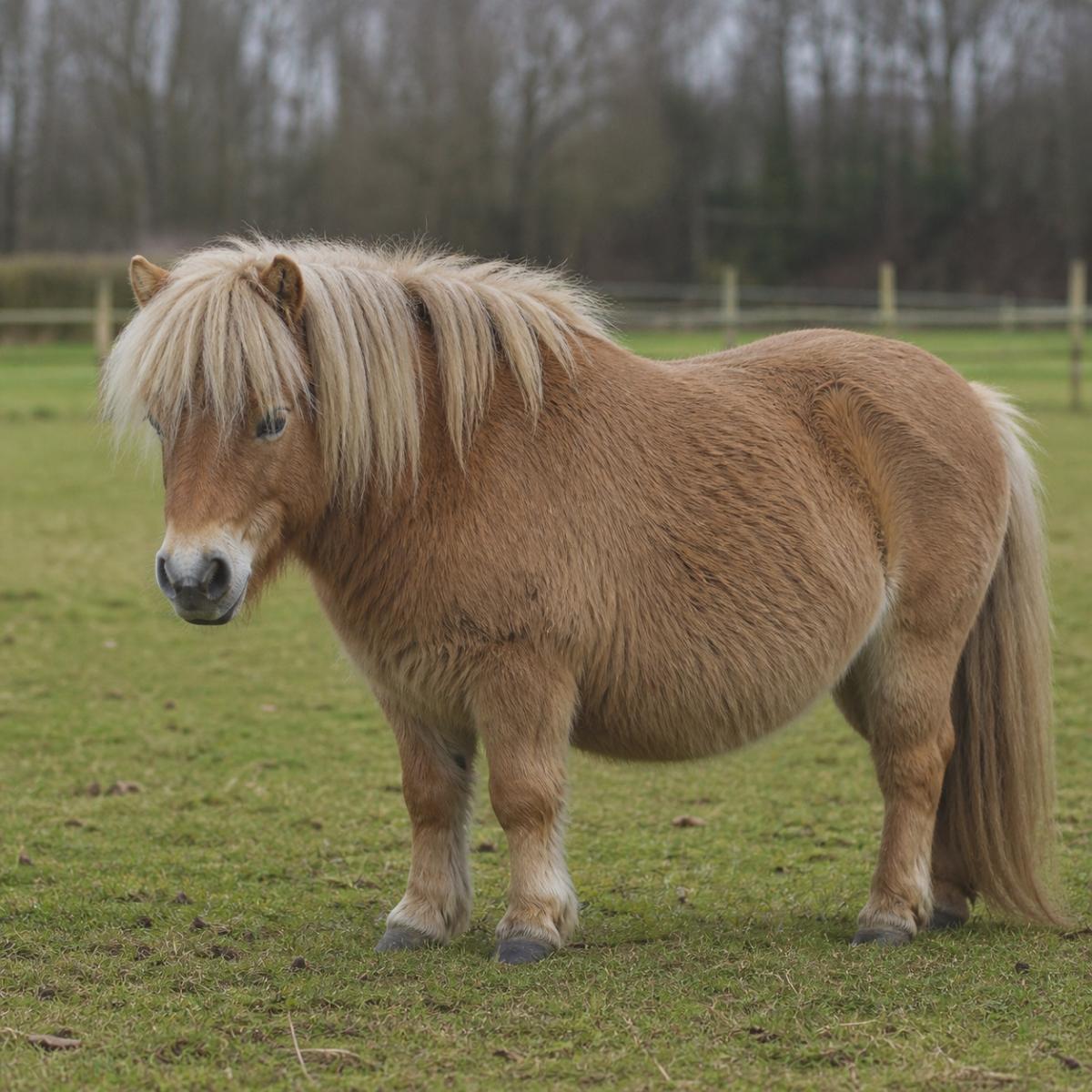
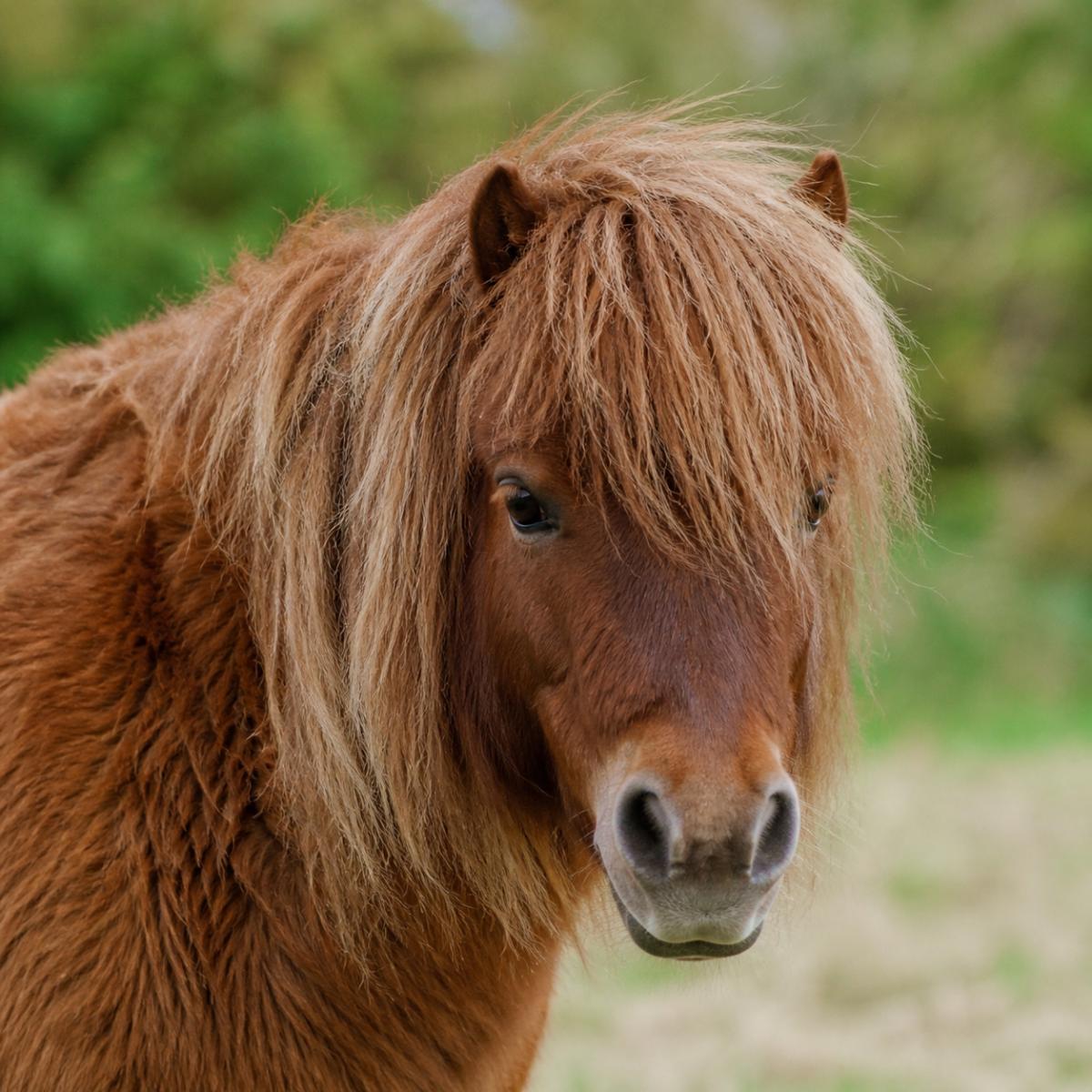
Rustic ponies usually come from breeds developed in demanding environments such as mountains, moorlands, islands, or harsh climates with limited resources.
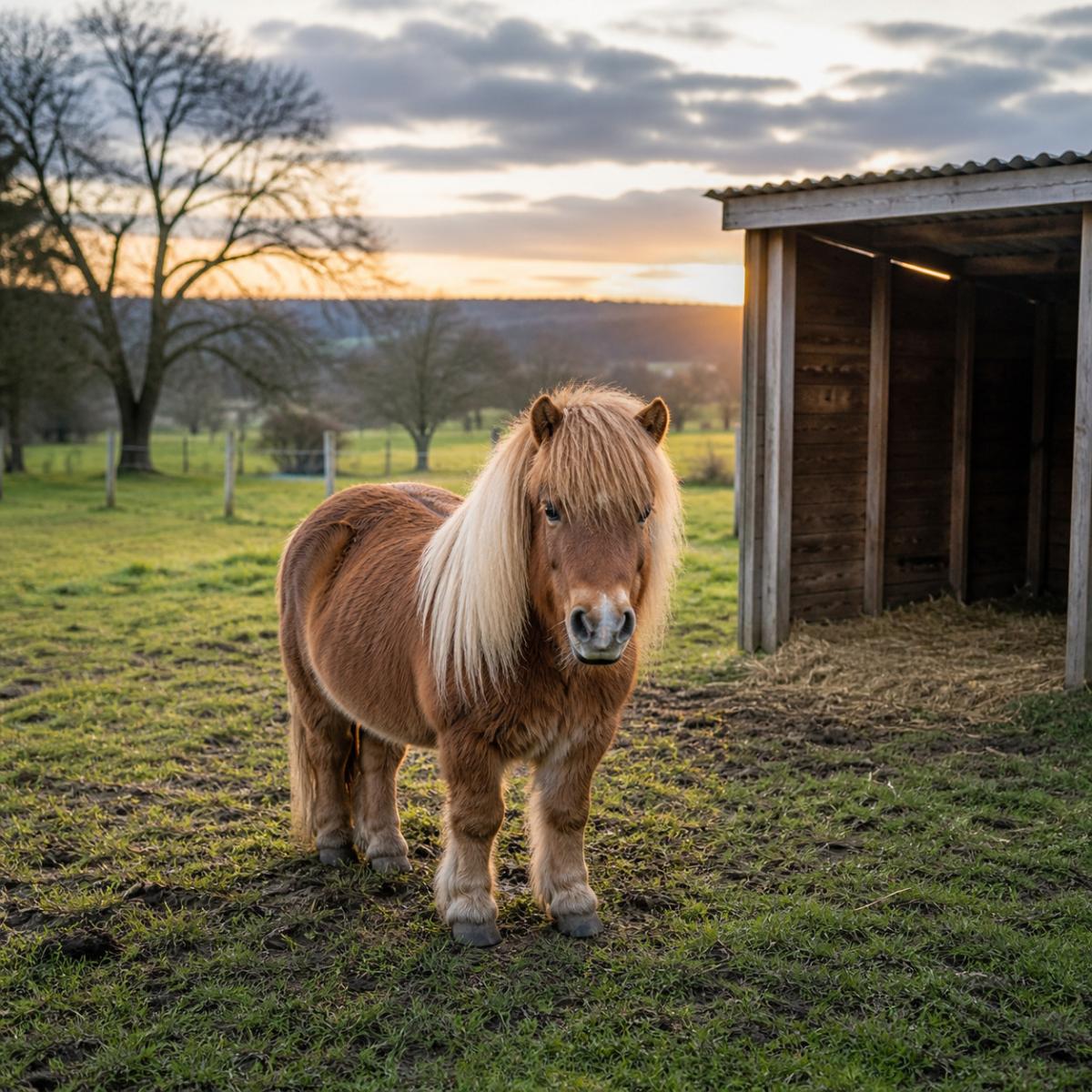
They are known for their hardiness, efficient metabolism, strong hooves, and ability to adapt to challenging conditions. Many of them can live outdoors most of the year, provided their basic needs are met.
However, this hardiness also requires careful management. A rustic pony can gain weight very easily if kept on rich pasture or given excessive feed.
The sport pony: selection and performance
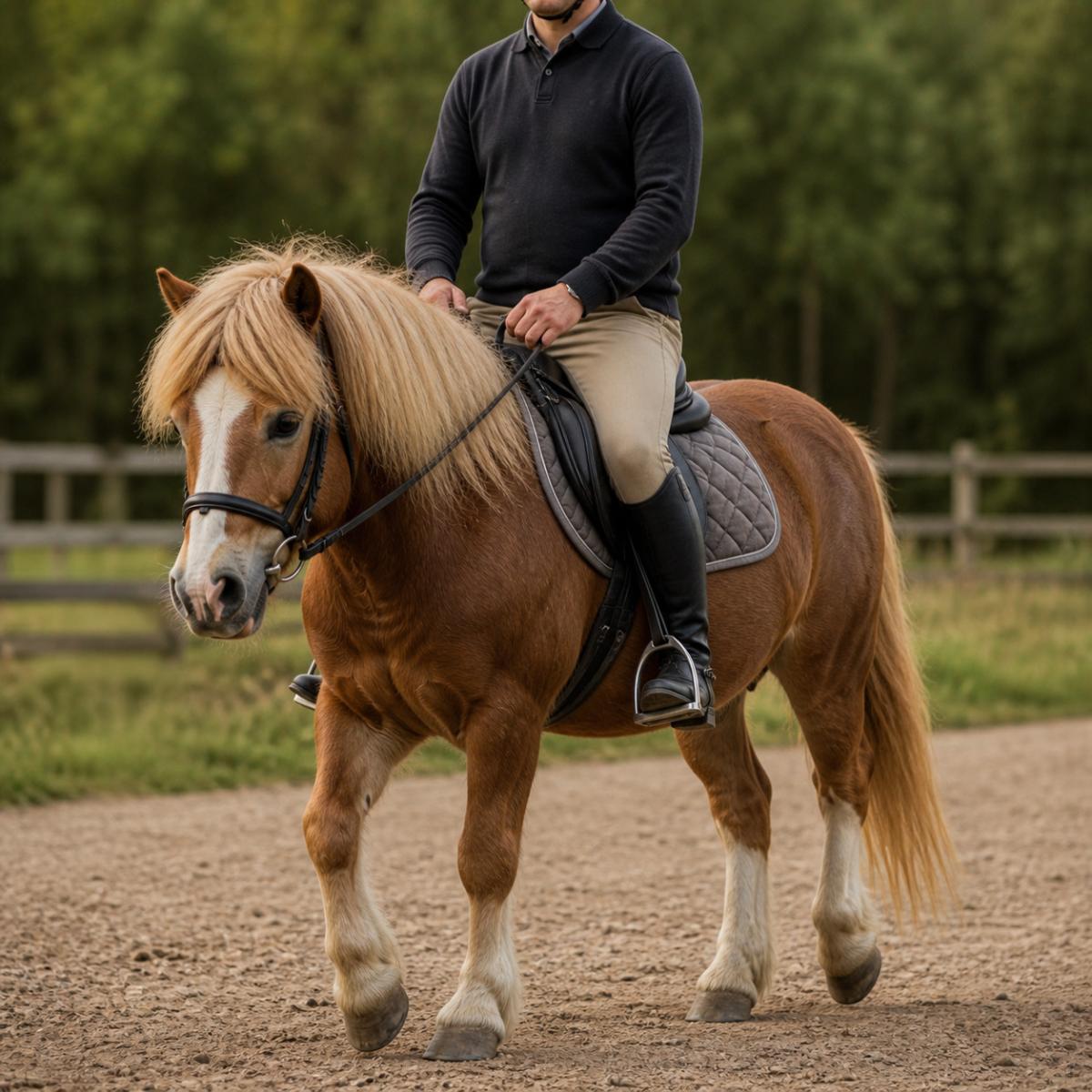
Sport ponies are bred primarily for athletic ability. They are selected for balance, elasticity, movement quality, and a suitable temperament for disciplines such as show jumping, dressage, or eventing.
Their conformation is often more performance-oriented, with a functional topline, expressive movement, and the ability to carry a rider efficiently in a training or competition context.
This does not mean they are less robust, but they generally require more precise management, including feeding, workload, recovery, and equipment fitting.
Differences in conformation
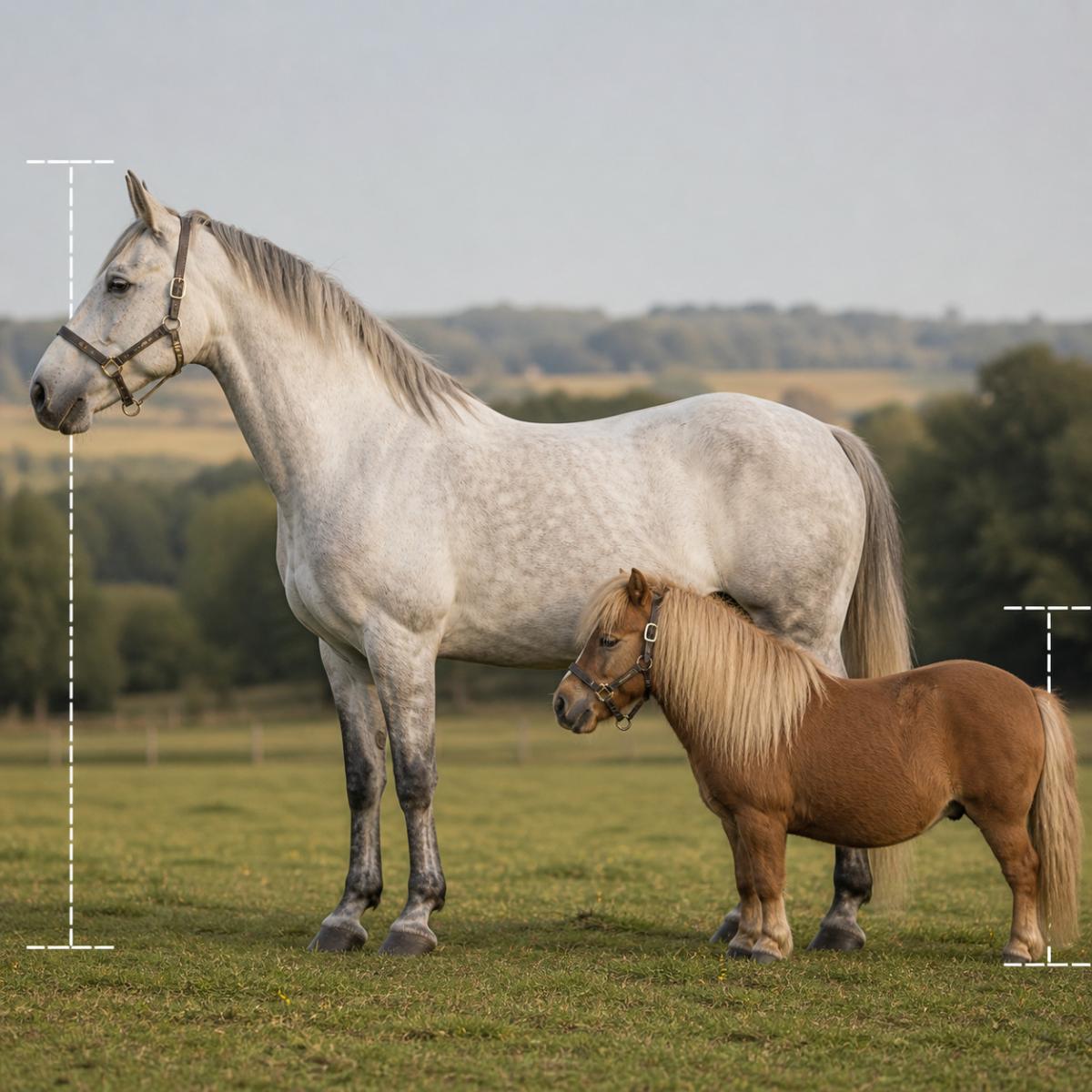
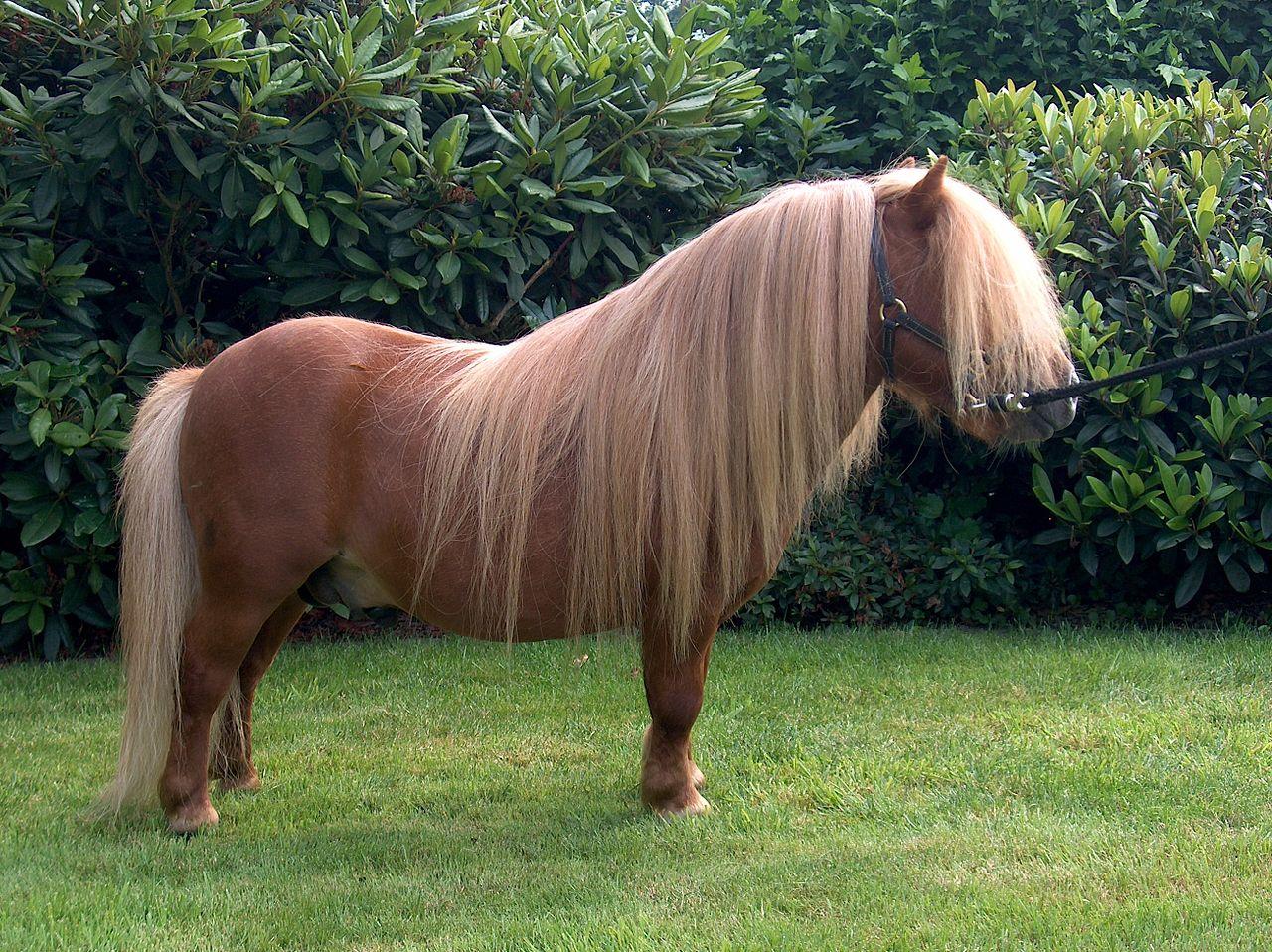
Rustic ponies tend to have a more compact build, with strong bone, a powerful neck, a deep body, and solid limbs. Their physique reflects their ability to conserve energy and cope with varied terrain.
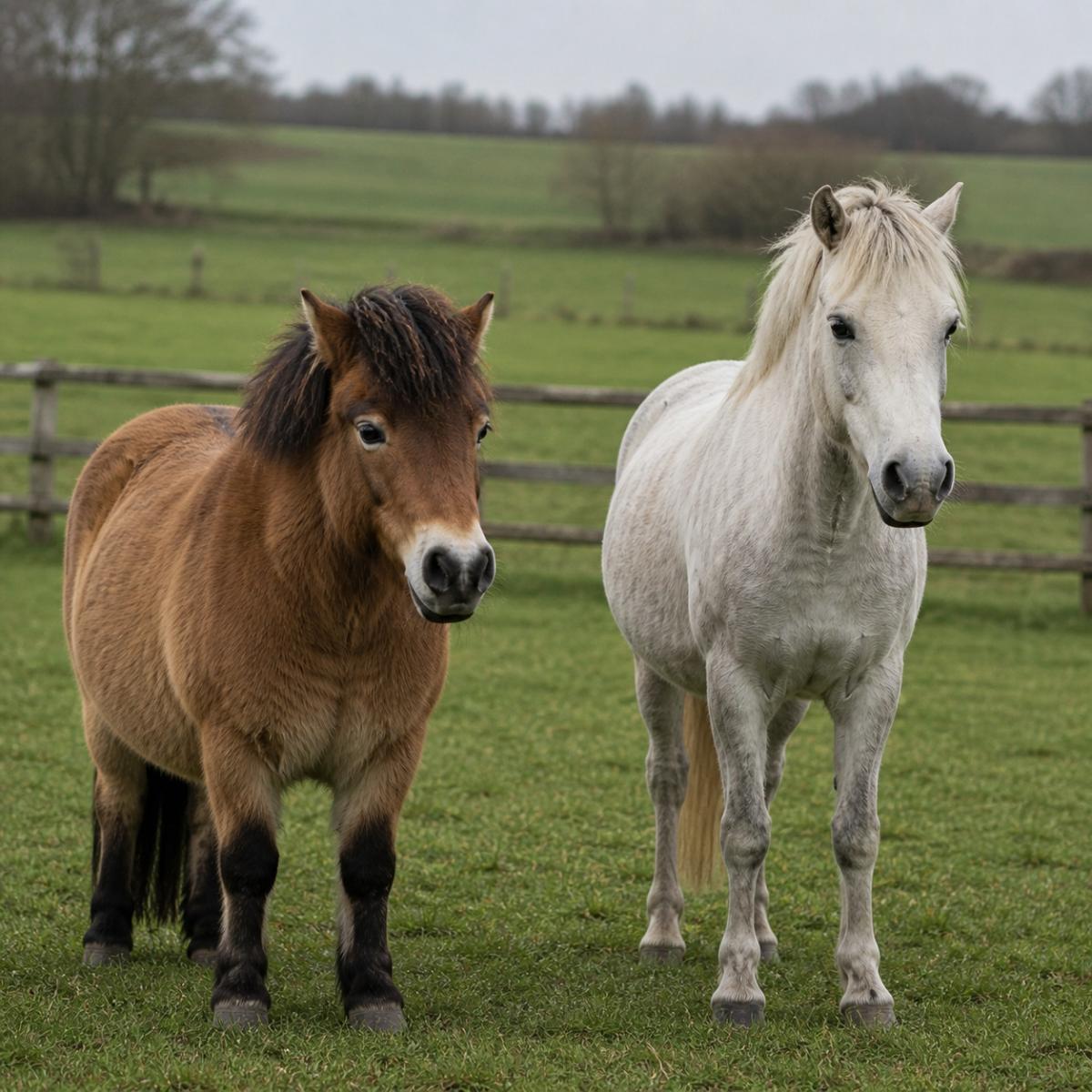
Sport ponies usually have a lighter or more athletic build, with more scope in their movement, better balance, and a structure designed for performance.
These distinctions are not absolute. Some breeds, such as the Connemara pony, combine both hardiness and athletic ability, which makes classification less clear-cut.
Differences in temperament
Rustic ponies are often independent, thoughtful, and economical in their effort. They may appear less reactive, but this reflects their natural tendency to conserve energy.
Sport ponies are typically selected for their responsiveness, willingness to work, and sensitivity to the rider’s aids. They may be more energetic and require a consistent and structured approach.
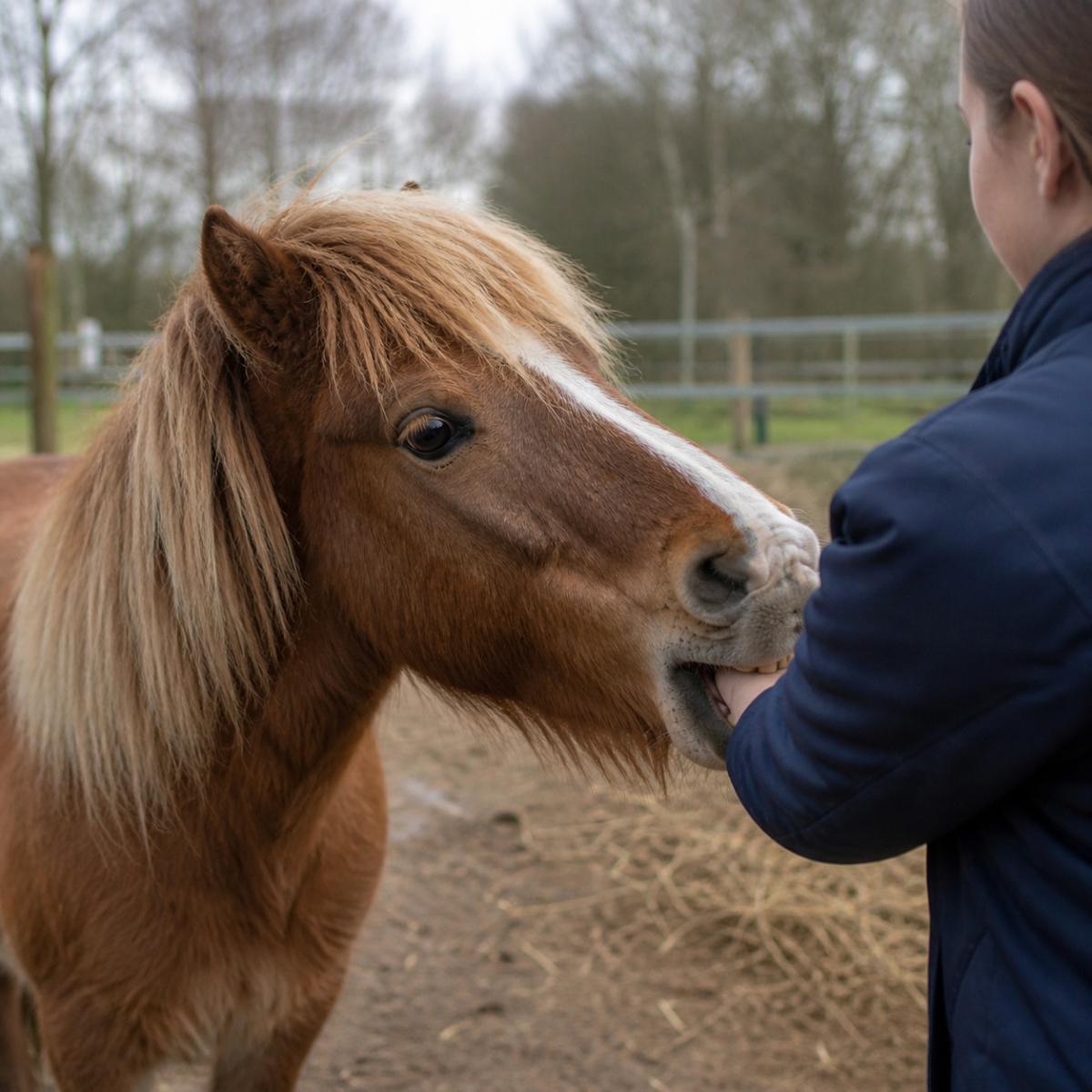
In both cases, training and handling play a crucial role. A poorly managed rustic pony can become difficult, just as a poorly trained sport pony can become tense or inconsistent.
Which one should you choose?
For outdoor living, leisure riding, trekking, or a family environment, a rustic pony can be an excellent choice. It often offers durability, low maintenance, and adaptability, as long as feeding is controlled.
For competition, technical progression, or a rider aiming for performance, a sport pony is usually more suitable. It provides greater precision, responsiveness, and athletic potential.
The right choice depends less on the label and more on the rider’s goals, the management conditions, and the level of experience.
Common mistakes to avoid
One common mistake is assuming that a rustic pony requires little care. Even hardy animals need proper monitoring, balanced feeding, hoof care, and regular attention.
Another mistake is believing that a sport pony is inherently “better.” It may excel in a specific context but be unsuitable for a beginner or a low-stimulation environment.
A good pony is not defined by its category, but by how well its needs match the conditions provided.
Conclusion
The difference between a rustic pony and a sport pony lies mainly in their breeding, conformation, temperament, and intended use.
Rustic ponies stand out for their resilience, efficiency, and adaptability. Sport ponies are distinguished by their athletic ability, responsiveness, and suitability for performance disciplines.
Neither is better than the other. They simply serve different purposes.