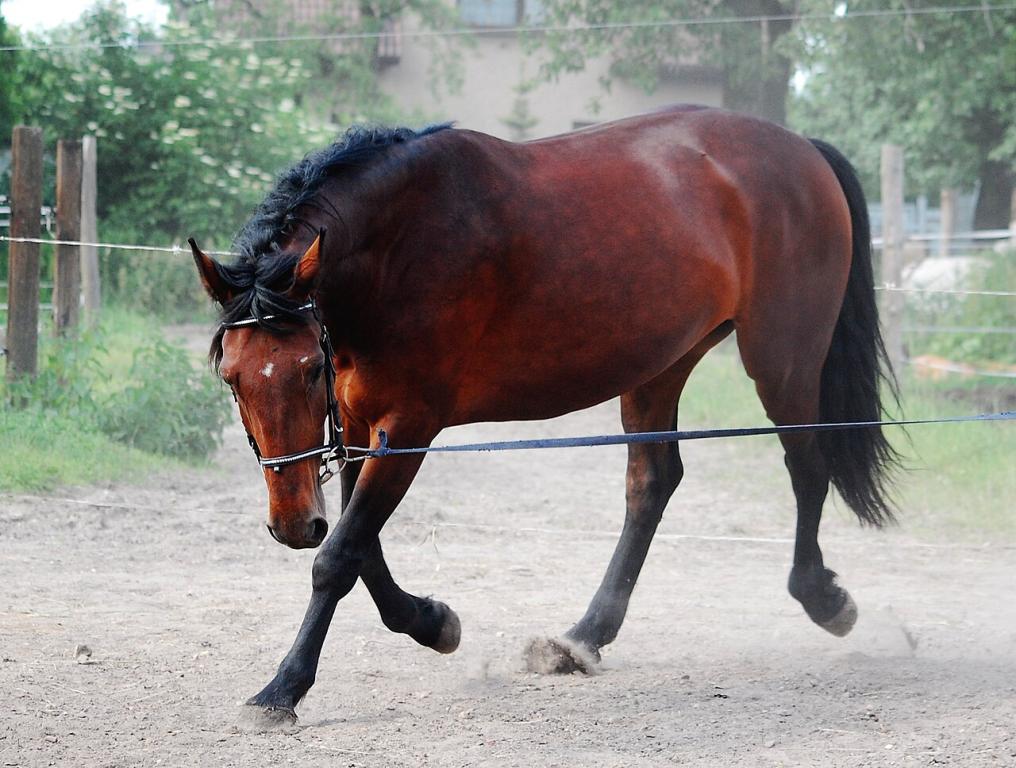
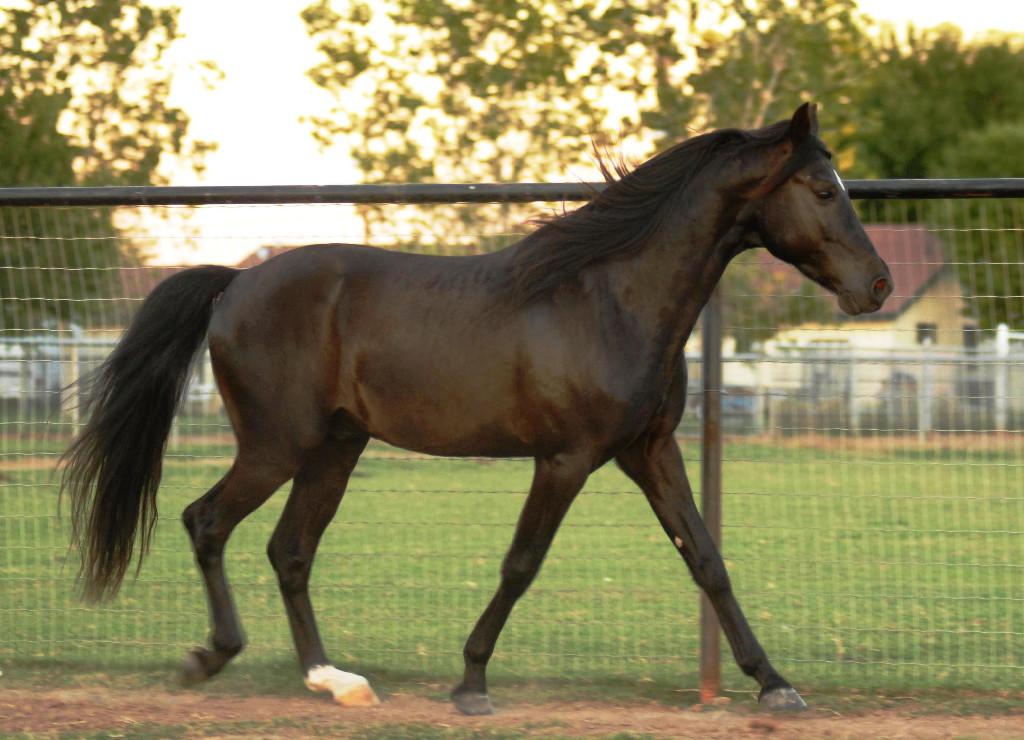
An ancient horse breed from Uzbekistan, the Karabair is known for its endurance and versatility. Discover its origins, temperament and traditional uses.
Continent: Asia
Country: Uzbekistan
Weight: 400 – 500 kg
Height: 147 – 157 cm
Name: Karabair Horse Stud Book of Uzbekistan
Founded: 1949
The Karabair (Tajik: Qarabair; Uzbek: Qorabayir; Russian: Карабаирская, Karabairskaya) is a very ancient horse breed originating from Uzbekistan in Central Asia. Its main breeding cradle is located in the historical regions around Samarkand, where the breed has been raised for several centuries.
The Karabair is traditionally considered a dual-purpose breed, used both as a riding horse and for certain local production purposes. This versatility results from its adaptation to the varied environments of the steppes and valleys of Central Asia, where it has long been used for transport, rural work, and long-distance travel.
The breed gradually developed from local Central Asian horses, with probable influences from Arabian and Turkmen horses, which helped improve endurance and certain riding qualities while preserving the robustness of the indigenous populations.
The Karabair developed from local horse populations of Central Asia, which were gradually influenced by the introduction of Arabian, Persian, and Turkmen horses. These crosses contributed to improving endurance, refinement of the head, and riding qualities, while maintaining the hardiness of native horses.
During the Soviet period in the 20th century, breeding programs were established to stabilize the characteristics of the breed and improve its performance for riding, harness work, and military purposes.
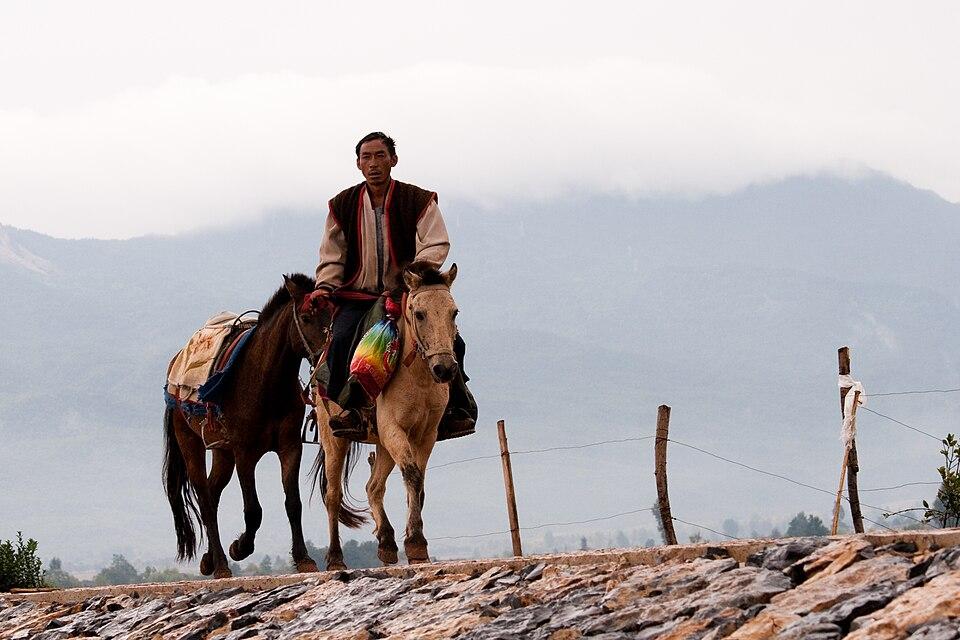
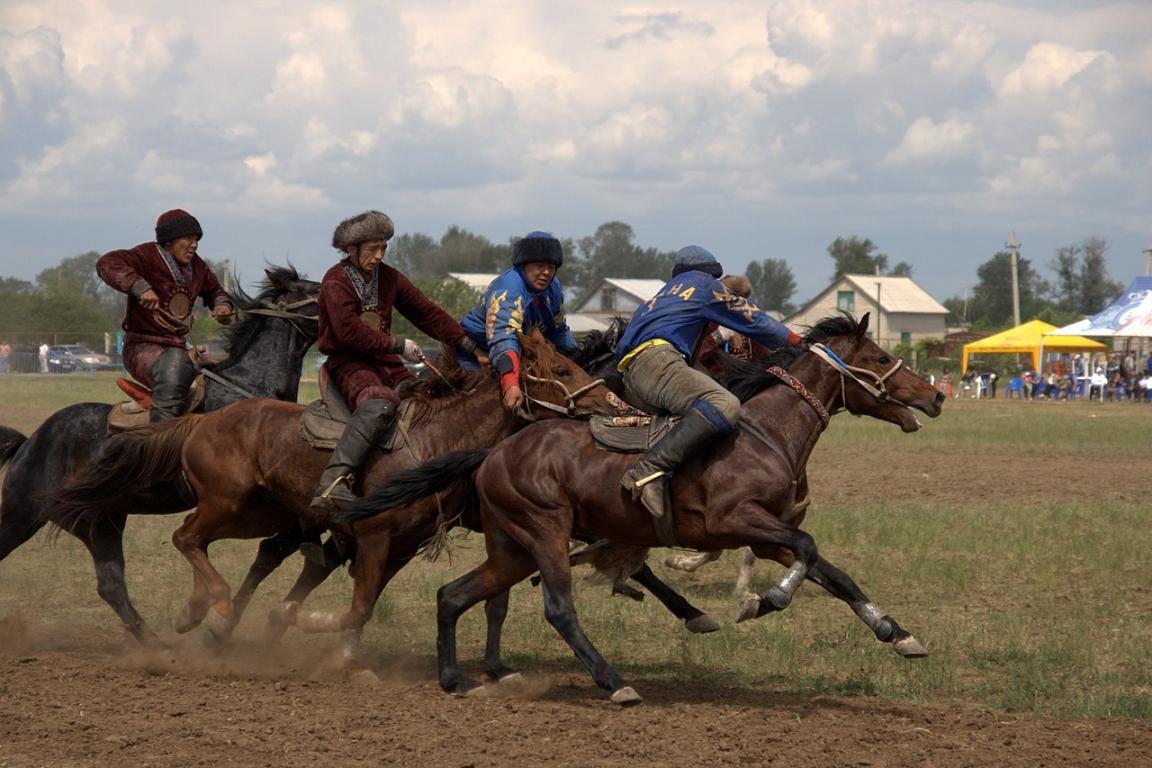
The Karabair holds an important place in Uzbek equestrian culture. Historically, it has been used for transport in rural regions, agricultural work, and certain traditional equestrian practices. Its versatility and endurance have made it a valued horse among riders throughout Central Asia.
The Karabair is mainly bred in Uzbekistan, in Central Asia, where it is one of the country's traditional horse breeds. Breeding is particularly concentrated in the central and southern regions, which provide natural conditions well suited to this hardy horse.
The main breeding centers of the Karabair are located around the regions of Samarkand, Jizzakh, and Qashqadaryo (Kashkadarya). These territories are characterized by a mixture of semi-arid steppes, agricultural valleys, and mountainous areas, where horses have long been raised for riding, transport, and rural activities.
The region of Samarkand is often considered one of the historical cradles of the breed, where Karabair populations have been selected and maintained for centuries.
The breeding areas of the Karabair are characterized by a marked continental climate, including:
These conditions have favored the development of a hardy, resilient horse capable of thriving on limited natural resources.
Although Uzbekistan remains the main breeding country, the Karabair can also be found in neighboring regions of Central Asia, particularly in Tajikistan and parts of Kazakhstan, where related horse populations have historically been exchanged or crossed.








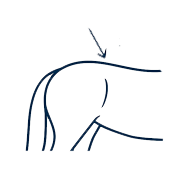
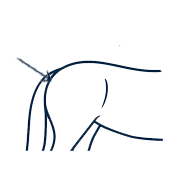


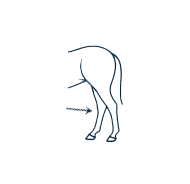




The Karabair has notable genetic importance among Central Asian horse breeds, as it represents an ancient population that has adapted over a long period to the natural conditions of the region. The breed retains characteristics of hardiness, endurance, and versatility, resulting from centuries of functional selection in the steppes and valleys of Uzbekistan.
The Karabair constitutes an important genetic reservoir for Central Asian horses. Its ability to withstand contrasting climatic conditions, to make efficient use of sometimes limited feed resources, and to work over long distances makes it valuable for the preservation of environmentally adapted traits.
The formation of the breed likely involved influences from Arabian, Turkmen, and local Central Asian horses. This genetic combination contributed to the development of a horse that combines the endurance and refinement of certain oriental lineages with the strength and robustness of indigenous horses.
In some regions of Uzbekistan, the Karabair has been used to improve or stabilize local horse populations, particularly to enhance resistance, working ability, and adaptation to semi-arid environments. Its versatility has also favored its use in breeding programs aimed at producing horses suited for different purposes.
Today, the breed holds particular interest for programs aimed at the conservation of equine genetic resources, as it represents an ancient genetic heritage of Central Asian horse breeding. Preserving the Karabair contributes to maintaining the genetic diversity of horses adapted to arid and continental environments.
The Karabair is considered a very ancient horse breed, whose origins date back several millennia in Central Asia. Horse breeding traditions in this region are closely linked to major civilizations located around the Ferghana Valley and territories near the Amu Darya, where horses played an essential role in trade and military activities.
In some ancient Chinese chronicles, horses bred in this region are described as remarkable animals, sometimes associated with the famous “Heavenly horse” or “flying horse”, an expression used to describe horses renowned for their speed and endurance. These accounts attest to the very ancient reputation of horse breeding in Central Asia, dating back approximately 2,000 to 2,500 years.
The Ferghana Valley, located at the intersection of several ancient trade routes, has long been an important center for horse circulation. Since antiquity, the region has been crossed by numerous exchanges linking Persia, Central Asia, and China, which encouraged the development and spread of different horse populations.
Horses from these regions were particularly sought after for their endurance and riding qualities, and they are mentioned in several historical accounts describing exchanges between major civilizations of the time.
Over the centuries, horse populations in Central Asia were influenced by different equine types. In the regions around the Amu Darya, breeding was notably shaped by crosses between steppe horses and various oriental lineages, including types associated with the Karabair and Akhal-Teke.
These influences helped shape a horse that is resistant, fast, and well adapted to long-distance travel, characteristics that are still present in the Karabair today.
During the 20th century, particularly during the Soviet period, breeding programs were established to structure and stabilize the breed. These initiatives helped define the characteristics of the Karabair more clearly and maintain its breeding in several regions of Uzbekistan.
Despite economic and agricultural changes in the region, the Karabair remains today an important traditional breed within the equine heritage of Central Asia.
The Karabair is generally described as a nervous, tenacious, and enduring horse. This temperament reflects a long history of functional selection in Central Asia, where horses needed to travel long distances and adapt to demanding natural conditions.
The Karabair often displays an energetic and lively character, which explains why the breed is frequently described as nervous. This liveliness does not necessarily indicate a difficult temperament but rather good responsiveness and willingness to work, qualities valued in riding and travel horses.
The breed is particularly known for its tenacity and endurance. These qualities allow it to maintain sustained effort over long distances, even in contrasting climatic environments. This physical resistance is usually accompanied by a determined and persistent attitude.
Despite its lively temperament, the Karabair is often regarded as a reliable and courageous horse, accustomed to working closely with rural communities. This historical proximity to humans has helped develop a cooperative animal capable of adapting to various uses.
The Karabair remains one of the important traditional horse breeds of Uzbekistan today. One of the main challenges for the future of the breed concerns the preservation of its original characteristics, particularly its hardiness, endurance, and versatility. Like many local breeds, the Karabair may face a decline in population or changes in breeding practices due to the modernization of agriculture and transportation.
In Uzbekistan, the breed continues to be raised in certain rural regions, where horses still play a role in agriculture, transportation, and traditional equestrian practices. Maintaining these traditional uses contributes to preserving the breed and its functional abilities.
The Karabair also holds important value as part of the cultural and genetic heritage of Central Asia. Recognition of this heritage could encourage conservation initiatives and the promotion of local breeds, particularly within national breeding programs aimed at preserving equine genetic diversity.
In the longer term, the breed could also gain increasing interest in leisure riding and trekking, thanks to its resistance, frugality, and adaptability. These qualities meet the expectations of riders looking for hardy and versatile horses.
The Karabair is generally considered a robust and resilient breed, resulting from long adaptation to the natural conditions of Central Asia. Raised for centuries in environments that are sometimes arid and resource-limited, the horse has developed a strong ability to adapt and natural resistance to contrasting climatic conditions.
Currently, no specific genetic diseases are clearly associated with the Karabair breed in available scientific or hippological literature. Like many local breeds shaped by functional selection, the Karabair generally maintains good genetic diversity, which may reduce the occurrence of hereditary conditions strongly linked to inbreeding.
Despite its reputation for hardiness, the Karabair remains susceptible to common health issues affecting horses, including:
These risks depend largely on management practices, nutrition, and veterinary care, rather than on breed-specific predispositions.
The Karabair is particularly well adapted to continental climates, characterized by hot summers and cold winters. This adaptation contributes to its reputation as a durable and resilient horse capable of working in varied environments.